White Cocco Care Guide: Growing Edible Xanthosoma sagittifolium
The White Cocco, often known by its botanical name Xanthosoma sagittifolium or common names like White Cocoyam, Malanga, or Yautía, is a truly remarkable plant that holds a special place in tropical and subtropical regions worldwide, including many Indian homes and gardens. Valued primarily for its nutritious, starchy corms, this robust root vegetable is a staple food source for countless families. Beyond its culinary appeal, its impressive, lush foliage adds a touch of tropical grandeur to any landscape, making it a beloved choice for both food gardens and ornamental displays.
For those looking to cultivate this wonderful plant, understanding its specific needs is key to a bountiful harvest and vibrant growth. At Plantrea, the online plant platform by Wynorg, a trusted Indian brand known for delivering healthy live plants safely across India, we believe in empowering every gardener with the knowledge they need to succeed. This comprehensive guide will walk you through everything you need to know about growing and caring for your White Cocco, ensuring it thrives in your Indian garden.
Botanical Overview
The White Cocco is botanically known as Xanthosoma sagittifolium. It belongs to the Araceae family, a large group of flowering plants often characterized by their unique spathe and spadix inflorescence, which also includes popular plants like Peace Lilies and Anthuriums. Native to the tropical regions of the Americas, this plant is a tropical herbaceous perennial, meaning it lives for more than two years and does not have a woody stem, dying back seasonally in colder climates but continuing to grow year-round in frost-free areas.
The growth habit of White Cocco is upright and clumping. It produces a central corm, from which large, striking leaves emerge, and eventually, smaller cormels (offshoots) develop around the main corm. These plants can reach an impressive height of 3 to 6 feet (0.9 to 1.8 meters), creating a significant presence in any garden bed or large container.
Why People Love This Plant
White Cocco is cherished for a multitude of reasons, making it a valuable addition to diverse Indian landscapes and kitchens.
Appearance
The most striking feature of the White Cocco is its magnificent foliage. The leaves are very large, distinctively arrowhead-shaped (sagittate), and typically a deep, vibrant green. Borne on long, sturdy petioles, these expansive leaves create a lush, tropical canopy that is both visually appealing and provides some natural shade, making it a focal point in a garden.
Flowers
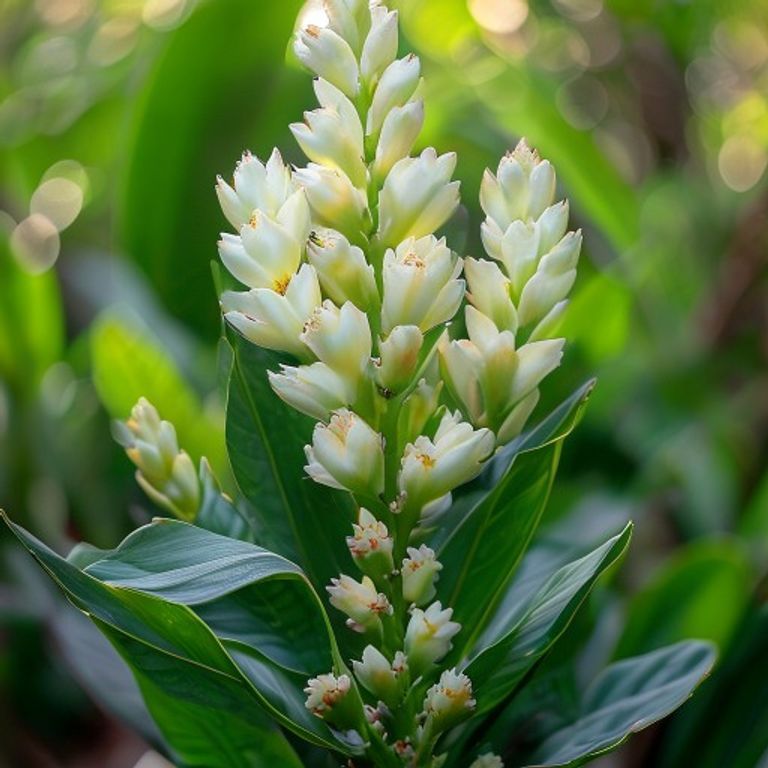
While primarily grown for its corms and foliage, White Cocco does produce an inflorescence characteristic of the aroid family. These flowers are typically cream to pale yellow or green, consisting of a spathe (a leaf-like bract) enclosing a spadix (a spike of small flowers). However, flowering is a rare occurrence in cultivation, especially outside its natural tropical habitat, so gardeners primarily appreciate the plant for its robust leaves and underground treasures.
Foliage
The lush, dark green foliage of White Cocco is not only beautiful but also serves a practical purpose. Its large size provides a dense, verdant backdrop in a garden, contributing to a tropical aesthetic. The sheer volume of the leaves contributes to the plant’s overall vigor and capacity for photosynthesis, driving the development of its edible corms.
Fragrance
White Cocco is not known for any significant fragrance from its leaves or its rarely seen flowers.
Decorative Value
Despite being a root vegetable, the White Cocco possesses considerable decorative value. Its bold, architectural leaves make it an excellent choice for creating a tropical garden theme, providing height and texture in mixed beds. It can be used as a striking specimen plant, a backdrop for smaller plants, or even grown in large containers on patios and balconies, bringing a touch of the tropics to urban spaces.
Growing Requirements
To successfully cultivate White Cocco and ensure a healthy harvest, understanding its specific environmental needs is crucial. These tropical plants thrive when their basic requirements for light, water, soil, and nutrients are met.
Light
White Cocco thrives best in full sun to partial shade. For optimal growth and robust corm production, aim for at least 6 hours of direct sunlight per day. In regions of India with particularly intense midday sun, a location that offers some afternoon shade can be beneficial. This helps prevent leaf scorch, which can manifest as crispy brown edges on the large leaves.
Water
These plants have a high watering requirement and prefer consistently moist soil. It’s vital to water thoroughly and regularly, especially during warm, dry periods and the monsoon season, when water is abundant. However, consistently moist does not mean waterlogged. Excellent drainage is paramount to prevent corm rot, a common issue if the soil remains excessively wet. Always check the top inch or two of soil; if it feels dry, it’s time to water.
Temperature
As a tropical plant, White Cocco loves warmth. Ideal temperatures range between 65-85°F (18-30°C). It is highly sensitive to cold temperatures and absolutely cannot tolerate frost. Even brief exposure to cold can cause immediate foliage damage, and prolonged cold or frost will kill the corms, especially in northern Indian winters. In cooler regions, consider growing it as an annual or providing winter protection.
Humidity
High humidity is crucial for Xanthosoma sagittifolium. It thrives in conditions that mimic its native tropical rainforest environment. Low humidity can lead to leaf crisping and stress. In naturally dry climates, grouping plants together or misting can help slightly, but a humid microclimate is always preferred.
Soil
White Cocco prefers a rich, fertile, well-draining loamy soil. Incorporating a significant amount of organic matter, such as compost or well-rotted manure, is highly beneficial. This not only enriches the soil but also improves its structure, enhancing drainage while retaining adequate moisture. A slightly acidic to neutral pH range of 5.5-7.0 is ideal for healthy growth and efficient nutrient absorption.
Potting Mix
If growing in containers, a high-quality potting mix formulated for tropical plants or a blend of garden soil, compost, and perlite or coco peat works well. Ensure the mix is well-draining and holds moisture without becoming waterlogged. The pot itself should be large to accommodate the extensive root system and have ample drainage holes.
Fertilizer
During the active growing season (typically spring and summer in India, corresponding to periods of warmth and rain), fertilize your White Cocco every 4-6 weeks. Use a balanced granular fertilizer, following the product’s instructions for dosage. For enhanced corm development, which is the primary goal for this edible plant, consider using a fertilizer with a slightly higher potassium content. Reduce or cease fertilization during cooler months or if the plant shows signs of dormancy.
How to Care for This Plant
Caring for White Cocco is a rewarding experience, leading to lush foliage and delicious corms. Here’s a practical, step-by-step guide:
- Planting: Plant corms or cormels about 3-4 inches deep, ensuring the ‘eye’ or growing point faces upwards. Space them adequately, about 2-3 feet apart, to allow for their expansive growth.
- Consistent Moisture: Maintain consistent soil moisture. In India, this means regular watering during dry spells and ensuring good drainage during heavy monsoon rains to prevent waterlogging.
- Sunlight Management: Provide full sun in cooler climates or during the cooler parts of the day. In areas with scorching afternoon sun, some dappled shade can protect the leaves.
- Nutrient Supply: Regularly feed your White Cocco with a balanced fertilizer during its growing period to support robust leaf and corm development. Organic compost can be regularly top-dressed around the plant.
- Pruning for Health and Harvest: Regularly remove any yellowing, damaged, or dead leaves. This not only maintains the plant’s aesthetic appeal but also directs the plant’s energy towards healthy growth and corm development. Some gardeners also prune outer leaves to encourage the main corm to enlarge, but this should be done judiciously.
- Pest and Disease Monitoring: Regularly inspect your plants for signs of pests or diseases. Early detection and intervention are key to preventing widespread issues.
- Winter Protection (if applicable): In regions experiencing mild winters, consider mulching heavily around the base of the plant to protect the corms. In areas with true winter cold or frost, it’s best to harvest the corms before the first frost and store them in a cool, dry place for replanting next season.
- Propagation: White Cocco is easily propagated. When harvesting, you’ll notice small offset cormels growing around the main corm. These can be separated and planted directly into warm, moist soil. Sections of the main corm, each with at least one ‘eye’ or growing point, can also be used for propagation.
- Harvesting: White Cocco corms are typically ready for harvest 7-11 months after planting. The leaves may start to yellow and die back, indicating maturity. Carefully dig up the corms, clean them, and store them in a cool, dry, well-ventilated place or use them immediately. Young leaves can also be harvested for cooking, but always ensure proper cooking to remove oxalates.
Common Problems and Solutions
Even with the best care, gardeners may encounter a few challenges when growing White Cocco. Here are some common problems and their solutions:
- Yellow Leaves:
- Cause: Can be due to nutrient deficiency (especially nitrogen), overwatering leading to root issues, or underwatering causing stress. Cold temperatures can also cause yellowing and leaf drop.
- Solution: Check soil moisture. Ensure good drainage. Apply a balanced fertilizer if nutrient deficiency is suspected. Protect from cold.
- Pests:
- Common Pests: Spider mites (especially in dry, low-humidity conditions), aphids (on new growth), and mealybugs.
- Solution: Regularly inspect plants. For minor infestations, wipe pests off with a damp cloth. Use horticultural oil or insecticidal soap for larger outbreaks. Encourage beneficial insects.
- Fungal Diseases:
- Corm Rot: The most prevalent disease, caused by various fungal pathogens, particularly in poorly drained or waterlogged soils.
- Leaf Spot Diseases: May occur, exacerbated by high humidity without adequate air circulation.
- Solution: Ensure excellent soil drainage and avoid overwatering. Improve air circulation around plants. Remove and destroy affected plant parts. In severe cases, use an appropriate fungicide.
- Root Rot:
- Cause: Primarily from consistently waterlogged soil, depriving roots of oxygen and encouraging fungal growth.
- Solution: Improve drainage, reduce watering frequency, and ensure pots have drainage holes. It’s often difficult to save plants with advanced root rot.
- Poor Flowering:
- Cause: White Cocco rarely flowers in cultivation; it’s natural. Stress, inadequate light, or immaturity can also be factors if it were a frequent bloomer.
- Solution: Focus on optimal growing conditions for corm production rather than flowering.
- Slow Growth:
- Cause: Inadequate light, insufficient nutrients, too little water, or temperatures too low for this tropical plant.
- Solution: Ensure full sun to partial shade, consistent watering, regular feeding with a balanced fertilizer, and warm temperatures.
- Leaf Drop:
- Cause: Usually a sign of severe stress, such as extreme cold, prolonged drought, or severe pest infestation.
- Solution: Identify and address the underlying stressor immediately. Provide warmth, consistent moisture, and pest control if needed.
Benefits
White Cocco offers a myriad of benefits, making it a highly valued plant for both its practical and aesthetic qualities.
Home Decoration
The large, striking, arrowhead-shaped leaves of White Cocco provide a dramatic tropical flair. Its lush, deep green foliage can transform any garden or a spacious balcony into a verdant oasis, acting as an excellent focal point or a backdrop for other plants. It adds significant architectural interest and texture to the landscape.
Balcony Gardening
While a large plant, White Cocco can be successfully grown in large containers on balconies or patios, provided there is ample space and the pot is big enough to support its root system and height. This allows urban gardeners to enjoy its beauty and harvest its edible corms, even with limited ground space.
Landscaping
White Cocco is an exceptional choice for tropical gardens, edible landscapes, and creating lush, green screening. Its upright, clumping habit and substantial height make it suitable for adding vertical interest, defining garden spaces, or creating natural boundaries. It thrives in humid, warm conditions typical of many Indian regions.
Edible Value (Primary Benefit)
The primary benefit of White Cocco is its highly nutritious, starchy edible corms, and young leaves. These provide essential carbohydrates, vitamins, and minerals, serving as a vital food crop and enhancing food security in tropical and subtropical regions. The corms have a mild flavor and are incredibly versatile when cooked, making them a staple in many cuisines. Young leaves are also consumed after proper cooking, which is crucial to break down calcium oxalates.
Erosion Control
Due to its robust root system, White Cocco can contribute to erosion control in suitable growing environments, particularly on slopes or banks where soil stabilization is needed.
Frequently Asked Questions
How do you grow White Cocco?
To grow White Cocco, plant corms or cormels about 3-4 inches deep in rich, fertile, well-draining soil, ideally with a slightly acidic to neutral pH. Ensure it receives full sun to partial shade (at least 6 hours of direct sun). Water consistently to keep the soil moist but not waterlogged. Maintain warm temperatures (65-85°F / 18-30°C) and high humidity. Fertilize every 4-6 weeks during the growing season with a balanced fertilizer. Regular pruning of yellowing leaves helps maintain health.
Are White Cocco leaves edible?
Yes, the young leaves of White Cocco are edible, but they must be properly cooked before consumption. Like many plants in the aroid family, the leaves contain calcium oxalate crystals, which can cause irritation if eaten raw. Cooking, especially boiling and discarding the water, helps break down these compounds, making the leaves safe and nutritious. They are often used in stews or curries.
What is the difference between taro and White Cocco?
While both taro (*Colocasia esculenta*) and White Cocco (*Xanthosoma sagittifolium*) are starchy root vegetables from the aroid family, they are distinct plants. The key visual difference often lies in their leaves: taro leaves are typically peltate, meaning the petiole (leaf stem) attaches to the center of the leaf blade, giving it a shield-like appearance. White Cocco leaves, on the other hand, are sagittate (arrowhead-shaped), with the petiole attaching at the base of the “V” shape, not in the middle of the blade. The corms also differ in texture and taste when cooked, though both are versatile.
Final Thoughts
Growing White Cocco is a journey that connects you with nature’s bounty, offering both aesthetic pleasure and nutritious yields. Its magnificent foliage brings a touch of the tropics to your garden, while its versatile corms provide a wholesome ingredient for your kitchen. By providing consistent care, understanding its tropical needs, and being mindful of its preferences for warmth, moisture, and good drainage, you can enjoy a thriving White Cocco plant in your Indian garden for years to come.
We hope this guide empowers you to cultivate this wonderful root vegetable with confidence. Plantrea is the online plant platform from Wynorg, helping plant lovers across India discover quality plants, practical growing advice, and trusted nursery sourcing. We are committed to sharing knowledge and fostering a love for gardening across the country.
Interested in This Plant?
The White Cocco is a truly special plant, offering both striking beauty and delicious, nutritious corms. If you’re captivated by the idea of growing this tropical gem in your own garden or exploring other suitable plants, our Plant Expert chat is here to assist you. You’ll find the chat icon conveniently located at the bottom-right corner of every page.
Our Plant Expert is like having an experienced gardener right at your fingertips. You can use this service to check whether White Cocco is currently available, ensuring you don’t miss out on adding this fantastic plant to your collection. The expert can also provide personalised plant recommendations tailored to your specific home or garden conditions, helping you find the perfect match for your space and lifestyle.
Beyond availability and recommendations, feel free to ask any further questions you have about White Cocco care and maintenance. Our expert can clarify doubts, offer advanced tips, or even help you discover suitable alternatives if, for any reason, the White Cocco isn’t the ideal fit for your particular needs at the moment. We’re here to help you cultivate a flourishing garden, one plant at a time.
Want to buy this plant? Visit https://plantrea.com/shop-2/