Red Diamond Guava: Grow Your Own Tropical Fruit Tree
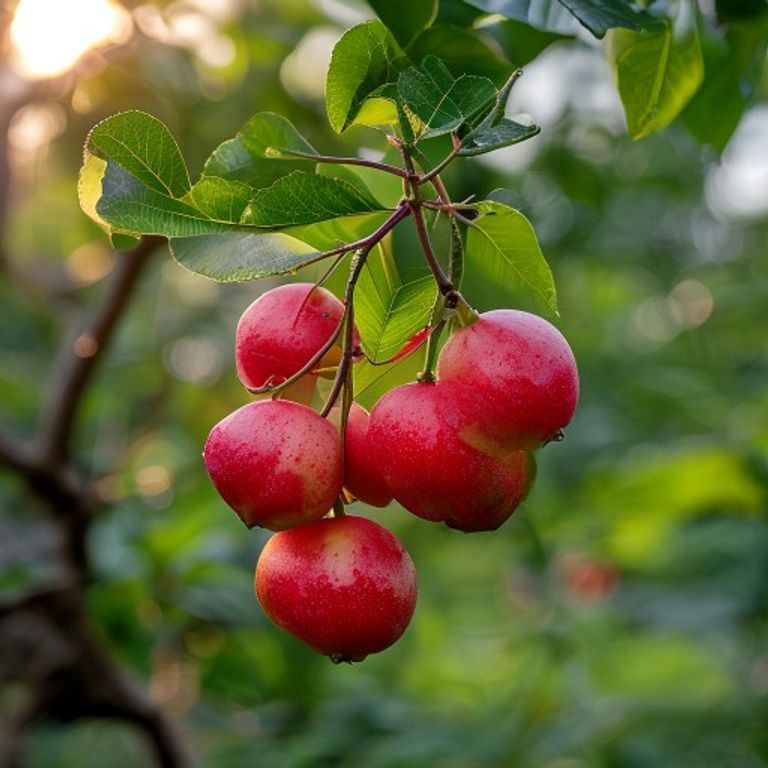
There’s something uniquely satisfying about plucking fresh, ripe fruit directly from your own garden, and for many Indian homes, the Red Diamond Guava offers just that delight. This exceptional tropical fruit tree is cherished for its vibrant, sweet, and aromatic fruit with distinct red flesh, making it a favourite in kitchens and gardens across the country. Its easy-going nature and bountiful harvests make it a rewarding addition, whether you have a sprawling garden or a modest balcony setup.
The Red Diamond Guava brings a touch of the tropics and a wealth of flavour to your home. It’s no wonder it’s gaining such popularity among plant enthusiasts. To help you on your gardening journey, Plantrea is the online plant platform by Wynorg, a trusted Indian brand known for delivering healthy live plants safely across India, ensuring you start with the best possible specimens and receive expert advice along the way.
Botanical Overview
The Red Diamond Guava is scientifically known as Psidium guajava ‘Red Diamond’. It belongs to the Myrtle family (Myrtaceae), a large family of flowering plants that includes many well-known fruit and ornamental trees. This particular cultivar originates from the tropical regions of Central and South America, where guavas have been cultivated for centuries.
As a plant type, it is typically an evergreen shrub or a small tree. Its growth habit is quite versatile; it can be bushy and spreading, forming a dense canopy if left unpruned, or trained to grow more like a single-trunked tree. Mature Red Diamond Guava trees can reach a height of 10 to 20 feet (3 to 6 meters) with a similar spread, making them a significant presence in a garden.
Why People Love This Plant
The appeal of the Red Diamond Guava goes beyond just its delicious fruit. It’s a plant that offers aesthetic beauty, delightful scents, and a sense of connection to nature.
Appearance
The foliage of the Red Diamond Guava is a rich, dark green, with oval leaves that are slightly fuzzy on the underside, giving the plant a lush and healthy appearance year-round. These leaves provide a beautiful backdrop for its charming flowers and later, the striking fruit.
Flowers
In spring and summer, the Red Diamond Guava graces the garden with small, delicate white flowers. These blossoms feature prominent, creamy white stamens that stand out against the petals, giving them a soft, almost fluffy look. While individually modest, they appear in clusters and are quite appealing.
Foliage
Beyond providing shade and a green canopy, the evergreen foliage of the Red Diamond Guava ensures that your garden remains vibrant even in the cooler months, unlike deciduous trees that shed leaves. This constant greenery adds structure and life to the landscape.
Fragrance
The flowers of the Red Diamond Guava emit a mild, pleasant fragrance that subtly perfumes the air, especially on warm days. However, the true olfactory star is the fruit itself. Once ripe, the Red Diamond Guava fruit releases a strong, sweet, and tropical aroma that is simply irresistible and a clear sign of its readiness for harvest.
Decorative Value
With its attractive evergreen foliage, delicate white flowers, and then the final spectacle of colourful ripening fruit, the Red Diamond Guava offers significant decorative value. It can be a lovely specimen tree, a part of an edible landscape, or even grown in a large container on a patio, adding a touch of tropical elegance to any setting.
Growing Requirements
To ensure your Red Diamond Guava thrives and produces abundant fruit, understanding its specific growing requirements is key. These conditions are well-suited for many regions in India.
Light
The Red Diamond Guava is a sun-lover and demands full sun exposure. This means it needs at least 6-8 hours of direct sunlight daily to produce optimal fruit. In areas with intense midday sun, a little afternoon shade might be tolerated, but generally, the more sun, the better for fruit development and flavour.
Water
This tropical fruit tree prefers consistently moist, well-draining soil. It’s crucial to water regularly, especially during dry spells and when the fruits are forming. The soil should remain damp but never waterlogged, as this can lead to root issues. Young plants need more frequent watering to establish their root system. While established trees can tolerate some drought, consistent moisture will lead to better growth and fruiting.
Temperature
Red Diamond Guava thrives in warm climates, ideally preferring temperatures between 15°C to 32°C (60°F to 90°F). It is sensitive to frost, and temperatures below -4°C (25°F) can cause significant damage. In cooler Indian regions, consider providing winter protection or growing it in a container that can be moved indoors during severe cold snaps.
Humidity
As a tropical plant, the Red Diamond Guava appreciates moderate to high humidity. The natural humidity levels in many parts of India are generally suitable for this plant, especially during monsoon seasons. In very dry climates, occasional misting or grouping with other plants can help create a more humid microclimate.
Soil
Well-draining soil is paramount for the Red Diamond Guava. It performs best in loamy or sandy loam soils. The ideal pH range is slightly acidic to neutral, between 5.5 and 7.0. Heavy clay soils that retain too much water should be amended with organic matter like compost and sand to improve drainage.
Potting Mix
If growing in a container, use a high-quality potting mix specifically designed for fruit trees or tropical plants. Ensure the mix is well-draining and includes components like perlite or coco peat to prevent compaction and aid aeration.
Fertilizer
During the active growing season (spring through summer), fertilize your Red Diamond Guava every 2-3 months. For young, non-fruiting plants, a balanced slow-release fertilizer is beneficial. As the plant matures and begins to fruit, switch to a formula higher in phosphorus and potassium to encourage flower and fruit production. Always follow the product’s instructions and avoid over-fertilizing, which can burn the roots.
How to Care for This Plant
Caring for your Red Diamond Guava is a rewarding experience that ensures a steady supply of delicious fruit. Here’s a practical guide:
- Planting: Choose a sunny spot in your garden with well-draining soil. If planting in a pot, select a large container (at least 15-20 gallons for a mature plant) with good drainage holes. Dig a hole twice as wide as the root ball and just as deep.
- Watering Schedule: After planting, water thoroughly. For young plants, check the soil moisture daily and water when the top inch or two feels dry. Established trees need less frequent but deeper watering, allowing the top soil to dry slightly between waterings. During monsoon season, reduce supplemental watering.
- Fertilizing: Begin regular fertilization once the plant is established. For new trees, use a balanced NPK fertilizer. Once flowering and fruiting starts, switch to a fertilizer higher in P and K. Spread the fertilizer evenly around the drip line, keeping it away from the trunk, and water it in well.
- Pruning: Prune your Red Diamond Guava annually, ideally after the main fruiting season. The goal is to maintain a manageable size and shape, remove dead, diseased, or weak branches, and improve air circulation within the canopy. Light pruning also encourages new growth and more fruit production. For container plants, regular pruning is essential to keep the size in check.
- Pest and Disease Monitoring: Regularly inspect your plant for any signs of pests or diseases. Early detection makes treatment much easier.
- Winter Protection (if applicable): If you live in a region that experiences occasional cold snaps, consider covering your Red Diamond Guava with a frost cloth or moving container plants indoors to a sheltered location.
Common Problems and Solutions
Even with the best care, sometimes plants face challenges. Here are some common problems you might encounter with your Red Diamond Guava and how to address them:
- Yellow Leaves:
- Cause: Often a sign of nutrient deficiency (especially iron or zinc), overwatering leading to root rot, or sometimes underwatering.
- Solution: Check soil moisture. If too wet, improve drainage. If dry, water more consistently. For deficiencies, use a balanced fertilizer or a micronutrient foliar spray. Ensure pH is suitable for nutrient uptake.
- Pests:
- Common Pests: Fruit flies, aphids, mealybugs, and scale insects are common culprits. Fruit flies are particularly problematic as they lay eggs in developing fruit.
- Solution: For aphids, mealybugs, and scale, use horticultural oil or insecticidal soap sprays. Strong jets of water can dislodge aphids. For fruit flies, specific traps or bagging developing fruits can be effective. Neem oil is a natural and effective deterrent for many pests.
- Fungal Diseases:
- Common Disease: Anthracnose can cause dark spots on leaves, flowers, and fruit, leading to rot.
- Solution: Ensure good air circulation by proper pruning. Remove and dispose of infected plant parts immediately. Fungicides can be used for severe infections, but prevention through good sanitation and cultural practices is always best.
- Root Rot:
- Cause: Primarily caused by persistently waterlogged soil due to overwatering or poor drainage.
- Solution: Improve soil drainage by amending with sand and organic matter. Ensure pots have adequate drainage holes. Reduce watering frequency, allowing the soil to dry out slightly between waterings.
- Poor Flowering/Fruiting:
- Cause: Insufficient sunlight, lack of proper nutrients (especially phosphorus and potassium), inconsistent watering, or lack of pollination.
- Solution: Ensure the plant receives full sun. Use a fertilizer high in P and K. Maintain consistent watering. While guavas are often self-pollinating, attracting pollinators like bees to your garden can boost fruit set.
- Slow Growth:
- Cause: Nutrient deficiency, inadequate sunlight, or improper watering.
- Solution: Review growing requirements for light, water, and fertilizer. Ensure the soil is healthy and well-draining.
- Leaf Drop:
- Cause: Stress from drastic temperature changes, severe underwatering or overwatering, or pest infestations.
- Solution: Identify and rectify the stressor. Ensure consistent care regarding water and temperature.
Benefits
The Red Diamond Guava is more than just a fruit tree; it’s a valuable addition to any home or garden, offering a range of benefits.
Home Decoration
With its attractive evergreen foliage and potential for beautiful form, the Red Diamond Guava makes an excellent ornamental plant. It can serve as a striking focal point in a garden or a lush green accent on a patio.
Balcony Gardening
For those with limited space, the Red Diamond Guava can be successfully grown in large containers. This makes it a perfect candidate for balcony gardening, allowing city dwellers to enjoy fresh, homegrown tropical fruit right outside their door.
Landscaping
In larger gardens, these trees can be incorporated into tropical landscapes, providing shade, structure, and a consistent green presence. They can also be used as privacy screens or hedges when pruned appropriately.
Pollinator Friendly
The small, fragrant white flowers of the Red Diamond Guava are a magnet for local pollinators, including bees and butterflies. By attracting these beneficial insects, you contribute to the biodiversity of your garden and support the local ecosystem.
Nutritional Value
While not an air purifier, the primary and most celebrated benefit of the Red Diamond Guava is its delicious fruit. These vibrant red-fleshed guavas are not only sweet and aromatic but also packed with Vitamin C and other antioxidants, making them a healthy and refreshing treat.
Frequently Asked Questions
What are the sunlight requirements for Red Diamond Guava?
The Red Diamond Guava thrives in full sun, requiring at least 6-8 hours of direct sunlight daily for optimal growth and fruit production. Planting it in a location that receives ample sunshine is crucial for healthy development.
How often should I water my Red Diamond Guava plant?
Red Diamond Guava prefers consistently moist, well-draining soil. Young plants need more frequent watering, often daily in hot, dry weather, to establish roots. Established trees should be watered regularly, especially during dry periods and when fruiting, ensuring the soil remains damp but never waterlogged. Always check the top few inches of soil before watering; if it feels dry, it’s time to water.
Is Red Diamond Guava suitable for growing in containers?
Yes, the Red Diamond Guava is well-suited for growing in containers, especially for gardeners with limited space or those in regions with colder winters. When growing in a pot, ensure you use a large container (at least 15-20 gallons for a mature plant) with good drainage holes and a high-quality, well-draining potting mix. Regular pruning will be necessary to manage its size.
Final Thoughts
Cultivating a Red Diamond Guava tree is a truly rewarding experience, offering the joy of growing your own delicious tropical fruit while adding significant beauty to your garden. With its vibrant red flesh, sweet flavour, and relatively straightforward care, it’s a fantastic choice for both novice and seasoned gardeners across India. By providing adequate sunlight, consistent watering, and proper nutrition, you’ll be well on your way to enjoying bountiful harvests of this delightful fruit for years to come.
Plantrea is the online plant platform from Wynorg, helping plant lovers across India discover quality plants, practical growing advice, and trusted nursery sourcing. We are committed to supporting your gardening journey, from choosing the right plant to helping it flourish.
Interested in This Plant?
Are you considering adding the wonderful Red Diamond Guava to your home garden, or perhaps looking for more tailored advice? We understand that every gardener’s situation is unique, and getting the right information can make all the difference.
Our Plant Expert chat is here to assist you, available conveniently at the bottom-right corner of every page. You can use this service to quickly check whether the Red Diamond Guava is currently available in stock, ensuring you don’t miss out on this fantastic fruit tree. Our experts can also provide personalised plant recommendations that are perfect for your specific home or garden conditions.
If you have any specific questions about Red Diamond Guava care and maintenance, or if you’re looking for suitable alternatives if this particular plant isn’t quite right for your needs, feel free to reach out. Our experienced gardening assistants are ready to share their knowledge and help you cultivate a thriving green space.
Want to buy this plant? Visit https://plantrea.com/shop-2/