Lemon Vine – Edible Leaves & Lemon-Flavored Fruits | Wynorg Nursery
There’s a growing fascination among Indian gardeners for plants that offer both beauty and bounty, and the Lemon Vine (Pereskia aculeata) perfectly fits this niche. This unique climbing cactus, with its vibrant green foliage and surprisingly tangy, lemon-flavored fruits, is rapidly gaining popularity in homes and gardens across the country. Its unusual nature as an edible cactus vine makes it a true conversation starter, offering a delightful twist to traditional gardening.
Whether you’re looking to add a distinctive plant to your edible landscape or simply curious about growing something out of the ordinary, the Lemon Vine is an excellent choice. Its resilience and relatively easy care make it suitable for a wide range of climates found in India. As you embark on your gardening journey, remember that Plantrea is the online plant platform by Wynorg, a trusted Indian brand known for delivering healthy live plants safely across India, ensuring you get the best start for your green endeavors.
Botanical Overview
The Lemon Vine, botanically known as Pereskia aculeata, holds a fascinating position in the plant kingdom. Despite its leafy appearance, it is indeed a member of the Cactaceae family, making it a unique “leafy cactus.” Originating from the tropical Americas, this remarkable plant defies the typical image of a desert cactus, growing as a vigorous climbing vine. Its growth habit is robust, allowing it to ascend trellises, fences, or other structures, often reaching impressive heights of 10-20 feet if given adequate support and space. It’s a perennial plant, meaning it lives for more than two years, providing long-term beauty and a continuous supply of its unique produce.
Why People Love This Plant
The Lemon Vine (Pereskia aculeata) captivates gardeners for several compelling reasons, blending ornamental appeal with practical benefits, especially in the diverse Indian climate.
Appearance
Unlike most cacti, the Lemon Vine boasts prominent, succulent-like green leaves along its thorny stems. This lush foliage provides a refreshing, vibrant green backdrop, making it an attractive climber even when not in fruit or flower. Its vigorous growth can quickly cover an arbor or trellis, creating a green privacy screen or a lovely garden feature.
Flowers
During the summer months, the Lemon Vine graces us with small, delicate flowers. These blooms typically appear in shades of white or pale yellow, often in clusters. While not overtly showy, they add a subtle charm to the vine and can attract local pollinators, contributing to the garden’s biodiversity.
Foliage
Beyond their aesthetic appeal, the leaves of the Lemon Vine are one of its most celebrated features – they are edible! Rich in nutrients, these leaves can be harvested and used in various culinary applications, offering a unique, slightly tangy addition to meals, much like spinach. This makes the Lemon Vine a truly functional and appealing “edible cactus” for Indian kitchens.
Fragrance
While the flowers of the Lemon Vine are charming, they are not typically known for a strong fragrance. Its appeal lies more in its visual impact and the delicious fruits it produces.
Decorative Value
The decorative value of the Lemon Vine is undeniable. Its climbing habit makes it ideal for vertical gardening, adding lushness to walls, fences, or pergolas. For those seeking unique plant collections or wishing to incorporate edible plants into their landscape design, this “lemon fruit vine” offers both beauty and utility. It’s perfect for edible landscaping, cactus gardens, or simply as an intriguing specimen plant that sparks curiosity.
Growing Requirements
Growing a Lemon Vine (Pereskia aculeata) successfully in India is quite straightforward, thanks to its resilient nature. Understanding its basic needs will ensure a thriving plant that rewards you with both beauty and edible treats.
Light
The Lemon Vine thrives in full sun. In the Indian climate, this means a location that receives at least 6-8 hours of direct sunlight daily. While it can tolerate some partial shade, especially in the hottest parts of the day, ample sunlight is crucial for robust growth, flowering, and fruiting. Choose an east or south-facing spot for optimal sun exposure.
Water
This “edible cactus” is remarkably drought-tolerant, aligning perfectly with its cactus lineage. Water thoroughly when the topsoil feels dry to the touch, and then allow the soil to dry out completely before watering again. Overwatering is a common mistake and can lead to root rot. During the monsoon season or cooler months, reduce watering frequency significantly. It’s much better to underwater than overwater this plant.
Temperature
Originating from tropical regions, the Lemon Vine prefers warm temperatures. It flourishes in the typical Indian climate, handling both the heat of summer and the milder winters well. It is not tolerant of frost, so in regions experiencing very cold winters, some protection might be necessary, though this is rarely an issue in most parts of India.
Humidity
The Lemon Vine is adaptable to a wide range of humidity levels. It performs well in both the humid conditions of coastal India and the drier air of inland regions, showing its versatility as an outdoor plant.
Soil
Well-drained soil is paramount for the Lemon Vine. It cannot tolerate waterlogged conditions. A sandy loam soil enriched with some organic matter is ideal. The key is excellent drainage, preventing water from sitting around the roots.
Potting Mix
If growing in pots, a good quality succulent or cactus potting mix is recommended. You can also create your own by mixing regular garden soil with coarse sand, perlite, and a small amount of compost. Ensure the pot has ample drainage holes to prevent water accumulation.
Fertilizer
The Lemon Vine is not a heavy feeder. During its active growing season (spring and summer), you can apply a balanced liquid fertilizer diluted to half strength once every 4-6 weeks. Avoid fertilizing during the cooler, dormant months. Too much fertilizer can lead to lush foliage but at the expense of flowers and fruits.
How to Care for This Plant
Caring for your Lemon Vine (Pereskia aculeata) is a rewarding experience, especially with its unique edible offerings. Here’s a practical guide to keep your plant thriving in Indian conditions.
- Planting and Support: Choose a sunny location with well-draining soil. As a vigorous climber, the Lemon Vine requires sturdy support from day one. Install a trellis, arbor, or provide a strong fence or wall for it to clamber upon. You can gently guide new shoots to attach to the support.
- Watering Schedule: The “edible cactus” moniker isn’t just for show – it truly is drought-tolerant. Water deeply when the soil is completely dry to the touch. In the hot Indian summer, this might be once a week or every ten days, depending on your soil type and pot size. Reduce watering significantly in winter or during monsoon when natural rainfall suffices. Always check the soil moisture before watering to avoid root rot.
- Pruning for Shape and Control: Pruning is essential for managing the growth of your Lemon Vine. Without it, it can become quite sprawling and bushy. Prune in late winter or early spring to remove dead or diseased branches, control its size, and shape it. You can also prune after fruiting to encourage new growth and more flowers the following season. Be cautious when pruning, as the stems have sharp thorns. Wearing thick gloves is highly recommended.
- Pest and Disease Watch: Generally, the Lemon Vine is quite resilient to pests and diseases. However, keep an eye out for common garden pests like mealybugs or scale insects, especially if your garden has a history of them. Good air circulation and proper watering usually prevent most issues.
- Harvesting Leaves and Fruits: You can harvest the young, tender leaves of the Lemon Vine throughout the growing season for culinary use. For fruits, allow them to ripen on the vine until they turn yellowish. Gently twist them off, being mindful of the small spines on their exterior.
- Seasonal Care:
- Summer (Flowering and Fruiting): This is the active growing period. Ensure adequate sunlight and monitor watering. Flowering and fruiting occur during these warmer months.
- Winter (Reduced Growth): Growth slows down significantly. Reduce watering and hold off on fertilizing. Protect from extreme cold if you are in a particularly chilly region, though most parts of India will be fine.
- Propagation: The Lemon Vine is easily propagated from stem cuttings. Take a healthy stem section, allow it to callus for a day or two in a dry, shaded spot, and then plant it in well-draining soil. Keep the soil lightly moist until roots establish.
Common Problems and Solutions
While the Lemon Vine is a robust and easy-to-care-for plant, understanding potential issues and their solutions can help you maintain a healthy and productive vine.
- Yellow Leaves:
- Problem: Often a sign of overwatering. Root rot can set in if the soil remains waterlogged.
- Solution: Reduce watering frequency dramatically. Ensure excellent drainage. If in a pot, check for clogged drainage holes. Let the soil dry out completely between waterings. Yellow leaves can also indicate a nutrient deficiency, but overwatering is usually the primary culprit for this “edible cactus.”
- Pests:
- Problem: Generally pest-resistant. Occasionally, mealybugs, scale insects, or spider mites might appear, especially if the plant is stressed or grown in close proximity to infested plants.
- Solution: Inspect regularly. For minor infestations, wipe pests off with a damp cloth or spray with a strong jet of water. For larger issues, use neem oil spray or an insecticidal soap, ensuring good coverage, especially on undersides of leaves.
- Fungal Diseases (e.g., Root Rot):
- Problem: Almost always caused by excessive moisture and poor drainage. Symptoms include wilting, yellowing, and eventually collapse of the plant.
- Solution: Preventative measures are key: excellent drainage, appropriate watering. If root rot is suspected, try to aerate the soil. In severe cases for potted plants, repotting into fresh, dry, well-draining soil after trimming off diseased roots might be necessary.
- Poor Flowering/Fruiting:
- Problem: Insufficient sunlight is the most common reason. Young plants may also need time to mature before producing abundant flowers and fruits. Over-fertilizing with nitrogen-heavy fertilizers can also promote leafy growth at the expense of blooms.
- Solution: Ensure the plant receives at least 6-8 hours of direct full sun daily. Be patient with young plants. Use a balanced fertilizer sparingly or one with a slightly higher phosphorus content during the flowering season.
- Slow Growth:
- Problem: While not a super-fast grower, unusually slow growth can be due to insufficient sunlight, very poor soil, or infrequent watering during its active growth phase.
- Solution: Check sunlight exposure. Improve soil with organic matter if it’s very poor. Ensure consistent, but not excessive, watering during spring and summer.
- Leaf Drop:
- Problem: Sudden leaf drop can be a sign of environmental stress, such as drastic changes in temperature, severe underwatering, or prolonged overwatering leading to root issues.
- Solution: Assess the plant’s environment. Ensure consistent care. Address watering issues promptly. The Lemon Vine is fairly resilient, so it often recovers once the stressor is removed.
- Thorns and “Weedy” Growth:
- Problem: The plant has sharp thorns on its stems, requiring caution during handling. It can also become quite vigorous and “weedy” if left unpruned.
- Solution: Always wear thick gloves when handling or pruning the Lemon Vine. Regular and consistent pruning is essential to keep its growth in check and prevent it from becoming overly invasive in your garden.
Benefits
The Lemon Vine (Pereskia aculeata) offers a plethora of benefits, making it a compelling choice for Indian gardeners looking for both utility and aesthetic appeal in their green spaces.
- Edible Leaves and Fruits: This is perhaps the most significant benefit of the Lemon Vine. Its tender leaves are a nutritious addition to the diet, used cooked like spinach in curries, stir-fries, or salads (when very young). The small, spiny fruits, true to their “lemon fruit vine” name, offer a distinct tangy, citrus-like flavor, perfect for jams, chutneys, or fresh consumption.
- Unique Cactus Vine: For plant enthusiasts and collectors, the Lemon Vine provides a fascinating specimen. Its leafy appearance, despite being a cactus, sets it apart, adding an element of intrigue and uniqueness to any garden or collection.
- Drought Tolerant: Its cactus lineage makes the Lemon Vine incredibly resilient to dry spells. This drought tolerance is a significant advantage in many parts of India, reducing water consumption and making it a sustainable choice for gardeners conscious of water conservation.
- Home Decoration: As a climbing vine, it offers excellent opportunities for vertical gardening. It can be trained over pergolas, arbors, fences, or trellises, creating lush green screens or living walls that add natural beauty and a tropical feel to courtyards, patios, and garden entrances.
- Balcony Gardening: With proper support and a large enough pot, the Lemon Vine can be successfully grown in balcony gardens, transforming urban spaces into green oases. Its edible nature further adds value to limited growing areas.
- Landscaping: The Lemon Vine is an excellent choice for edible landscaping, integrating food production seamlessly into ornamental garden design. It can be used as a natural barrier, a ground cover (if not given support to climb), or as part of a mixed border, adding texture and interest.
- Pollinator Friendly: While not its primary claim to fame, the small white to yellow flowers of the Lemon Vine can attract local pollinators like bees and small insects, contributing to the overall ecological health and biodiversity of your garden.
Frequently Asked Questions
Are the fruits really lemon flavored?
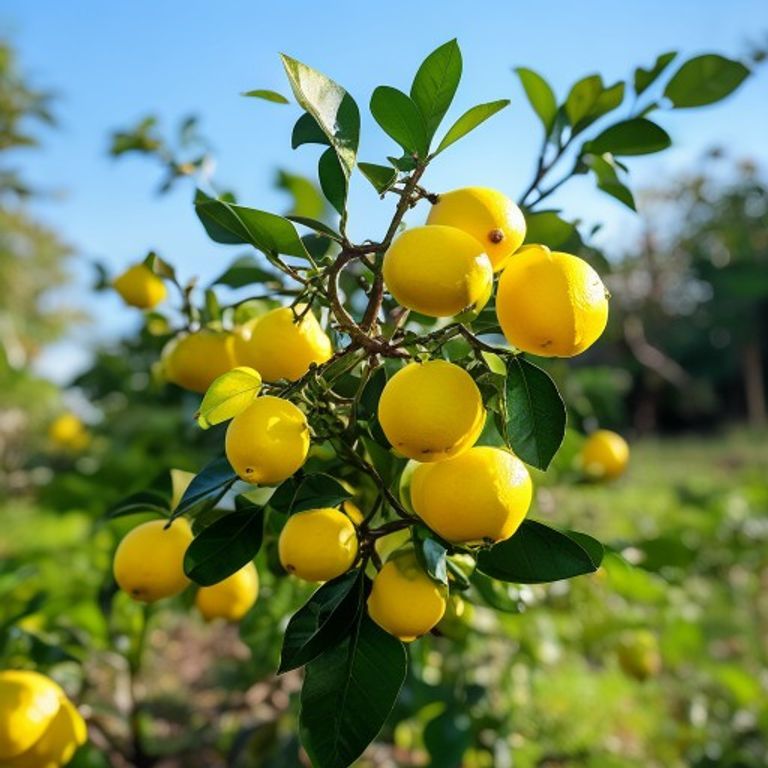
Yes, the fruits of the Lemon Vine (Pereskia aculeata) indeed have a distinct tangy and citrus-like flavor, often described as similar to lemon or lime. They are quite refreshing and can be used in various culinary applications.
Can I eat the leaves?
Absolutely, the leaves of the Lemon Vine are edible. They are best when young and tender. They can be cooked like spinach, added to stir-fries, curries, or even blanched and used in salads for a unique, slightly tart flavor.
Does it have thorns?
Yes, the Lemon Vine does have sharp thorns along its stems, similar to many other cactus species. It is important to exercise caution and wear thick gloves when handling or pruning the plant to avoid injury.
Final Thoughts
The Lemon Vine, or Pereskia aculeata, is truly a remarkable plant that offers a delightful blend of ornamental beauty and edible utility. Its unique status as a leafy, climbing cactus with tangy, lemon-flavored fruits makes it an exceptional addition to any Indian garden. Easy to care for and drought-tolerant, it’s a resilient choice that promises to be a conversation starter and a source of fresh, homegrown produce.
Whether you’re an experienced gardener looking for something new or a beginner eager to explore the world of edible landscaping, the Lemon Vine is a rewarding plant to cultivate. Its ability to thrive in various conditions across India, coupled with its distinctive features, makes it a valuable asset to both home gardens and larger landscape designs. Plantrea is the online plant platform from Wynorg, helping plant lovers across India discover quality plants, practical growing advice, and trusted nursery sourcing, ensuring your journey with the Lemon Vine and other plants is a successful one.
Interested in This Plant?
Are you captivated by the unique charm and edible benefits of the Lemon Vine and wondering how to integrate it into your garden or balcony?
Our Plant Expert chat, conveniently located at the bottom-right corner of every page, is here to assist you. Our knowledgeable gardening assistants can help you check if the Lemon Vine is currently available for purchase, providing you with real-time updates on its stock status. They can also offer personalised plant recommendations tailored to your specific home or garden conditions, ensuring you choose plants that will truly thrive.
Don’t hesitate to reach out if you have any further questions about the care and maintenance of your Lemon Vine, or if you’re looking for suitable alternatives should this unique plant not be available. The Plant Expert is designed to be your trusted resource for all your gardening queries, offering friendly, practical advice to help you cultivate a beautiful and bountiful garden.
Want to buy this plant? Visit https://plantrea.com/shop-2/