Peach Phithranthra – Unverified Plant Information
Gardening is a journey of discovery, filled with the joy of nurturing life and the satisfaction of watching plants thrive. Sometimes, amidst this beautiful journey, we encounter plant names that spark curiosity but yield little information in our usual searches. The ‘Peach phithranthra’ is one such name that has come to our attention, prompting a closer look into what makes a plant identifiable and beloved in homes and gardens.
At Plantrea, the online plant platform by Wynorg, a trusted Indian brand known for delivering healthy live plants safely across India, we are committed to providing accurate and helpful information for every plant enthusiast. When it comes to the Peach phithranthra, our botanical research indicates that verifiable information regarding this specific plant name is currently unavailable in trusted botanical databases and horticultural resources.
Botanical Overview: An Exploration of an Unknown Plant
When we delve into the botanical world, precision is paramount. Every known plant species has a unique botanical name, typically in Latin, which allows scientists and gardeners worldwide to identify it without ambiguity. This system ensures that whether you’re in India, Europe, or the Americas, a “Rosa indica” (Indian Rose) refers to the same specific plant.
For a plant like ‘Peach phithranthra,’ the absence of a recognized botanical name or a clear classification within a plant family means it remains an unknown plant to the wider botanical community. This could be for several reasons: perhaps it’s a very new or localized cultivar that hasn’t been formally documented, a common name that varies regionally, or even a misspelling of an existing plant. Without this fundamental identification, details such as its origin, plant type (herbaceous, shrub, tree), or typical growth habit cannot be accurately determined.
Engaging in thorough botanical research is crucial for any plant enthusiast. It helps us understand a plant’s true nature, its native habitat, and how best to care for it. For the ‘Peach phithranthra,’ this means we cannot provide specific details on its family, origin, or growth characteristics as it is an unverified species.
Why People Might Seek This Plant
Despite the lack of concrete botanical data for ‘Peach phithranthra,’ the very act of searching for it suggests a desire for a particular aesthetic or characteristic. Plant names often evoke images or feelings. “Peach” might suggest soft, warm hues, perhaps referring to flower or fruit colour, or even the texture of foliage. “Phithranthra,” though less familiar, could hint at a unique form or feature.
Appearance
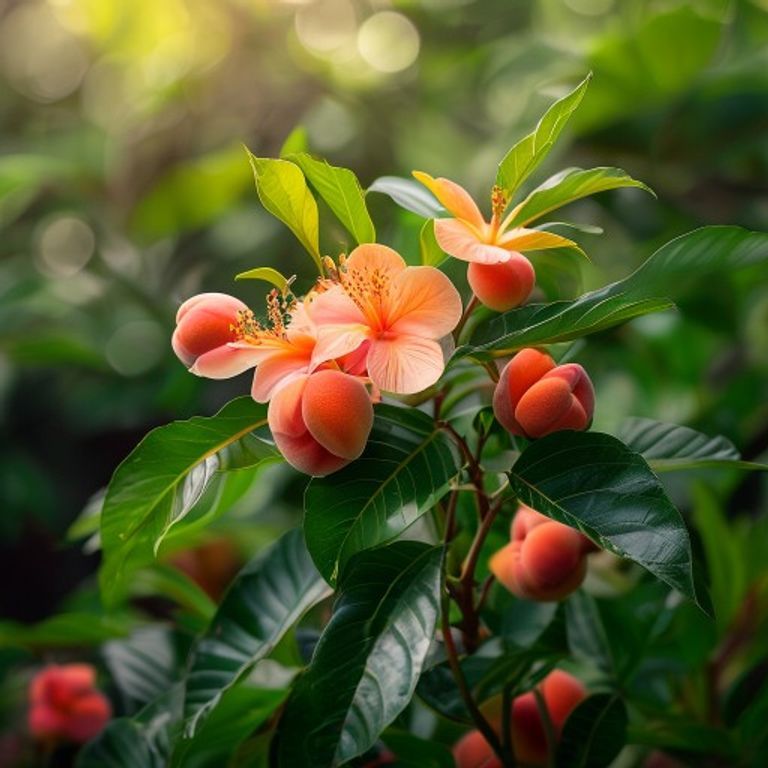
In the world of plants, appearance is often the first thing that captures our hearts. If ‘Peach phithranthra’ were a recognized plant, one might imagine it possessing delicate, peach-coloured blossoms, or perhaps foliage with a reddish, coppery, or bronze tint, reminiscent of a peach tree’s spring leaves. Its decorative value would likely stem from these hypothetical visual traits, making it a desirable addition to a garden or indoor setting.
Flowers and Foliage
Without specific information, we can only speculate. Many plants are cherished for their vibrant flowers or lush foliage. For an unverified species like ‘Peach phithranthra,’ the appeal could lie in the promise of either showy blooms or distinctive leaves, contributing texture and colour to a plant collection. The desire to find an unknown plant often comes from a love for the unique and unusual.
Fragrance
A pleasant fragrance can elevate a plant from merely beautiful to truly enchanting. If ‘Peach phithranthra’ had a known existence, it might be sought after for a sweet, fruity, or otherwise pleasing aroma, adding another dimension to its appeal in a home or garden.
Decorative Value
Every plant adds something unique to our living spaces. Whether it’s a splash of colour, an interesting form, or simply the presence of nature, plants enhance our environments. For any plant, including the hypothetical ‘Peach phithranthra,’ its decorative value would be in its ability to contribute to the aesthetic appeal of a home, balcony, or landscape.
Growing Requirements: General Principles for an Unknown Plant
Since ‘Peach phithranthra’ is an unverified species, we cannot provide specific growing requirements. However, we can discuss the general principles that apply to almost all plants, especially when you are trying to understand an unknown plant. When you encounter a plant whose care is a mystery, it’s often best to observe and deduce, or seek general guidance applicable to similar plant types.
Light
Light is the most fundamental requirement for photosynthesis. Plants typically fall into categories: full sun, partial sun/shade, or full shade. For an unknown plant, starting with bright, indirect light is often a safe bet, as extreme direct sun can scorch delicate leaves, while too little light can lead to leggy growth.
Water
Watering needs vary greatly. Some plants prefer consistently moist soil, while others thrive when allowed to dry out between waterings. Factors like temperature, humidity, and pot size also influence how often a plant needs water. For an unverified species, careful observation of the soil moisture and the plant’s reaction to watering is key. Always ensure good drainage to prevent waterlogging.
Temperature
Most plants have an ideal temperature range. Many tropical plants prefer warmer temperatures, while temperate plants can tolerate cooler conditions. Extreme heat or cold can stress a plant. For Indian conditions, understanding the plant’s likely origin (if it were known) would help determine its temperature tolerance.
Humidity
Humidity is particularly important for many tropical plants. India’s diverse climate means some regions have high humidity, while others are drier. If ‘Peach phithranthra’ were a tropical plant, it might appreciate higher humidity, which could be provided by misting or using a pebble tray.
Soil and Potting Mix
A good potting mix provides aeration, drainage, and nutrients. Most plants prefer a well-draining, fertile soil. For an unknown plant, a general-purpose potting mix that drains well and retains some moisture is a sensible starting point. Avoid heavy, compacted soils that can lead to root problems.
Fertilizer
Fertilizer provides essential nutrients. The type and frequency depend on the plant’s growth stage, needs, and the potting mix. For an unknown plant, it’s wise to start with a diluted, balanced liquid fertilizer during its growing season, if any, and observe its response. Over-fertilizing can be more damaging than under-fertilizing.
How to Care for This Plant: General Approach
Since we lack specific care instructions for ‘Peach phithranthra,’ we can only offer a general approach to plant care that applies to managing any newly acquired or unidentified plant. This focuses on observation, patience, and creating a stable environment.
- Initial Placement: When you first encounter an unknown plant, place it in a location with bright, indirect light. This allows you to observe how it reacts without subjecting it to harsh conditions.
- Watering & Drainage: Check the soil moisture regularly. Water thoroughly when the top inch or two of soil feels dry, allowing excess water to drain away completely. Ensure the pot has drainage holes.
- Monitor Temperature & Humidity: Keep an eye on the ambient temperature and be mindful of any sudden fluctuations. If your region is particularly dry, consider gentle misting around the plant.
- Observe for Stress: Look for signs of stress such as yellowing leaves, drooping, or leaf drop. These are often indicators that something in its environment or care routine needs adjustment.
- Pest & Disease Watch: Regularly inspect leaves (top and bottom) and stems for any signs of pests or unusual spots, which could indicate fungal issues. Early detection is key.
- Gentle Feeding: If the plant appears healthy and is actively growing, you might introduce a very diluted, balanced liquid fertilizer during warmer months, perhaps once a month.
- Repotting (if needed): If the plant appears root-bound or its growth slows significantly, it might need repotting into a slightly larger pot with fresh potting mix.
Remember, successfully caring for an unknown plant relies heavily on becoming a keen observer and making small, incremental adjustments to its environment until you find what works best.
Common Problems and Solutions for Unidentified Plants
When dealing with an unverified species like ‘Peach phithranthra,’ addressing problems becomes a matter of applying general horticultural wisdom. Many plant ailments are universal, regardless of the exact species.
- Yellow Leaves: Often indicates overwatering or underwatering. Check soil moisture. Can also be a nutrient deficiency. Adjust watering schedule, ensure good drainage, and consider a balanced liquid feed.
- Pests: Common pests include aphids, spider mites, and mealybugs. Inspect regularly. For small infestations, wipe with a damp cloth or use neem oil spray. Severe cases might require insecticidal soap.
- Fungal Diseases: Powdery mildew or leaf spot can occur, especially in humid conditions with poor air circulation. Remove affected leaves, improve air circulation, and apply a natural fungicide like neem oil if needed.
- Root Rot: A serious issue caused by consistently waterlogged soil. Symptoms include wilting, yellowing leaves, and a foul smell from the soil. Carefully remove the plant, trim rotten roots, and repot in fresh, well-draining soil.
- Poor Flowering/Slow Growth: If a plant isn’t flowering (assuming it’s a flowering type) or growing well, it could be insufficient light, lack of nutrients, or incorrect watering. Review all growing conditions.
- Leaf Drop: Often a sign of environmental stress, such as sudden changes in temperature, light, or watering. Try to maintain consistent conditions.
Benefits of Plants in General
While we cannot attribute specific benefits to ‘Peach phithranthra’ as it is an unverified species, we can certainly celebrate the multitude of advantages that plants, in general, bring to our lives and environments. The desire to find an unknown plant often stems from a broader appreciation for greenery.
- Home Decoration: Plants are living decor, adding natural beauty, texture, and colour to any indoor space. They can transform a drab corner into a vibrant focal point.
- Balcony Gardening: For urban dwellers in India, balcony gardening offers a slice of nature. Plants can create a calming oasis, providing shade, privacy, and fresh air.
- Landscaping: In larger gardens, plants are fundamental to landscaping, designing outdoor spaces that are both beautiful and functional.
- Pollinator Friendly: Many flowering plants attract bees, butterflies, and other pollinators, which are vital for ecosystem health and biodiversity.
- Air Purification: Scientific studies have shown that many common houseplants can help remove certain toxins from indoor air, contributing to a healthier living environment. While the specific effect of ‘Peach phithranthra’ is unknown, the general benefit of plants in air quality is well-established.
Frequently Asked Questions
What is Peach phithranthra?
Based on extensive botanical research, ‘Peach phithranthra’ appears to be an unverified plant name. There is no currently recognized botanical species or common name corresponding to ‘Peach phithranthra’ in trusted horticultural or botanical databases. It is an unknown plant within the formal scientific literature.
Is Peach phithranthra a real plant?
As of our current research, there is no verifiable information to confirm ‘Peach phithranthra’ as a distinct, recognized plant species. It is considered an unverified species. While it’s possible it’s a regional common name, a new cultivar yet to be formally documented, or a phonetic variation, it is not listed in established botanical records.
Where can I find care instructions for Peach phithranthra?
Since ‘Peach phithranthra’ is an unverified species, specific care instructions cannot be provided. We recommend exercising caution with any information found online that claims to offer precise care for this name, as it would likely be speculative. When dealing with an unknown plant, apply general plant care principles (light, water, soil) and observe its unique needs carefully.
Final Thoughts
The journey of gardening is full of learning, and sometimes that learning involves understanding what we don’t yet know. The case of ‘Peach phithranthra’ highlights the importance of accurate botanical identification and reliable sources for plant information. While this particular name currently falls into the category of an unknown plant or unverified species, it serves as a reminder to always seek credible information for the plants you bring into your home and garden.
At Plantrea, the online plant platform from Wynorg, we are dedicated to helping plant lovers across India discover quality plants, practical growing advice, and trusted nursery sourcing. We continuously strive to provide accurate, research-backed information to support your gardening passion, whether you’re a beginner or an experienced green thumb. Exploring verified plant guides on Plantrea can help you find beautiful and suitable plants for your specific Indian climate and gardening conditions.
Interested in This Plant?
Even though ‘Peach phithranthra’ is an unverified name in botanical circles, your curiosity about unique plants is precisely what we love to nurture! Gardening often involves exploring new possibilities and finding the perfect green companion for your space.
If you’re intrigued by the idea of discovering a plant with peach-like qualities, or simply have questions about other plants that might fit your home or garden, we invite you to use Plantrea’s Plant Expert chat. You’ll find it conveniently located at the bottom-right corner of every page on our website.
Our Plant Expert is like having an experienced gardening assistant at your fingertips. You can use this service to check whether similar plants are currently available, get personalised plant recommendations tailored to your specific Indian home or garden conditions, or ask any questions you have about general plant care and maintenance. Even if ‘Peach phithranthra’ isn’t a recognized species, our experts can help you find suitable alternatives or guide you on general principles of botanical research to identify any mysterious plants you encounter.
Want to buy this plant? Visit https://plantrea.com/shop-2/