Tropical Avocado TKR: Cultivation & Care Guide for Home Growers
The allure of homegrown fruits is undeniable, and for many Indian gardeners, the Tropical Avocado TKR stands out as a truly rewarding choice. This magnificent tropical fruit tree, a specific variety of Persea americana, brings a touch of the exotic to our landscapes, gracing us with its delicious, often generously sized fruit. Its lush, evergreen foliage and the promise of creamy, nutritious avocados make it a prized possession in home gardens across the country, especially in regions blessed with warm, frost-free climates. Cultivating this beautiful tree is a journey of patience and understanding, but the rewards are truly bountiful, offering both aesthetic beauty and culinary delight.
Here at Plantrea, the online plant platform by Wynorg, a trusted Indian brand known for delivering healthy live plants safely across India, we understand the joy and challenges of nurturing such a spectacular specimen. We’re dedicated to providing you with the most comprehensive and practical advice to ensure your Tropical Avocado TKR thrives, turning your gardening dreams into a fruitful reality.
Botanical Overview
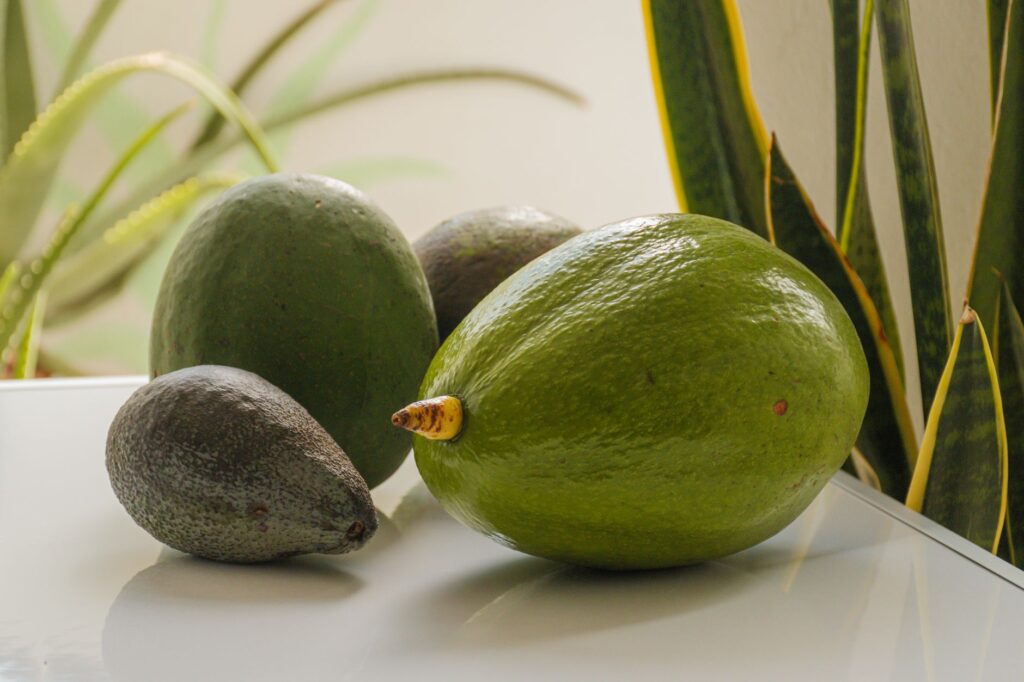
The Tropical Avocado TKR is a distinct variety of Persea americana, belonging to the illustrious plant family Lauraceae, which also includes other aromatic plants like bay laurel and cinnamon. Originating from warm, tropical regions, these trees are quintessential evergreen fruit trees. They exhibit a robust growth habit, developing into a large tree, typically reaching heights of 9 to 18 meters when mature. Characterized by a dense, spreading canopy, the Tropical Avocado TKR is an impressive sight, with its broad, leathery, dark green leaves providing ample shade and a lush, vibrant presence in any landscape. These particular tropical avocados are often categorized as West Indian race types or their hybrids, known for producing larger fruits with smoother, thinner skin, lower oil content, and a higher water percentage compared to their Guatemalan or Mexican counterparts, offering a distinctly refreshing taste.
Why People Love This Plant
The Tropical Avocado TKR holds a special place in the hearts of gardeners and food enthusiasts alike, thanks to its exceptional qualities and numerous benefits.
Appearance
This tree is a visual delight with its grand stature and evergreen nature. Its broad, leathery, dark green leaves create a dense, spreading canopy that provides a magnificent display of lush foliage year-round. It adds a vibrant, tropical aesthetic to any garden or large landscape, making it a beautiful ornamental specimen even before it fruits.
Flowers
While not overtly showy, the flowers of the Tropical Avocado TKR are delicate and charming. Inconspicuous greenish-yellow flowers emerge in clusters, typically from late winter to spring, though the exact timing can vary. These subtle blossoms are the harbingers of the delicious fruit to come, embodying the plant’s promise of future abundance.
Foliage
The foliage is one of the tree’s most striking features. Its large, dark green leaves are not only attractive but also highly functional, offering significant shade. This makes the Tropical Avocado TKR an excellent choice for creating cool, inviting spaces in larger gardens, especially during the hot Indian summers.
Fragrance
The Tropical Avocado TKR offers a subtle, sweet fragrance, particularly around its flowering period. It’s not an overpowering scent but rather a gentle, pleasing aroma that adds another layer to its sensory appeal in the garden.
Decorative Value
Beyond its fruit, the tree itself possesses considerable decorative value. Its stately size, evergreen nature, and abundant, attractive foliage make it a superb choice for landscaping. It can serve as a focal point in a large garden, a majestic shade tree, or a beautiful backdrop, enhancing the overall aesthetic appeal of the outdoor space.
Growing Requirements
To successfully cultivate the Tropical Avocado TKR, understanding its specific growing requirements is key. While it demands a certain level of attention, providing the right conditions will ensure a healthy, productive tree.
Light
The Tropical Avocado TKR thrives in full sun. For optimal growth and prolific fruit production, your tree should ideally receive at least 6 to 8 hours of direct sunlight daily. In the intense Indian summer, providing some afternoon shade for very young trees might be beneficial, but mature trees generally prefer maximum sun exposure.
Water
Consistent and ample watering is crucial for Tropical Avocado TKR, especially for young trees establishing their root systems and during prolonged dry spells. The soil should be kept consistently moist but never waterlogged, as this can lead to severe issues like root rot. Deep watering sessions are more effective than shallow, frequent sprinkles, encouraging roots to grow deeper. A good way to check is to feel the top few inches of soil; if it feels dry, it’s time to water.
Temperature
Being a tropical plant, the Tropical Avocado TKR prefers warm temperatures, ideally ranging between 15-29°C (60-85°F). It is highly frost-tender and cannot tolerate temperatures below -1°C (30°F). In regions prone to colder winters, providing frost protection for young trees is absolutely essential. This might involve covering them, especially during unexpected cold snaps.
Humidity
High humidity levels are highly beneficial for the Tropical Avocado TKR, mimicking its native tropical environment. While we can’t always control outdoor humidity, consistent watering helps maintain local humidity around the tree.
Soil
Well-draining, fertile soil is paramount for this tree. A slightly acidic to neutral pH (6.0-7.0) is ideal. Heavy, clayey soils that retain too much water are problematic and must be amended to improve drainage. Incorporating organic matter like compost or well-rotted manure will enhance soil structure, fertility, and drainage.
Potting Mix
While the Tropical Avocado TKR is primarily an outdoor tree that grows quite large, very young trees can be started in large pots. If potting, use a high-quality, well-draining potting mix specifically formulated for fruit trees or a general-purpose potting mix amended with perlite or coarse sand to improve drainage. Ensure the pot has ample drainage holes.
Fertilizer
Regular fertilization is vital, especially during the growing season. Use a balanced, slow-release fertilizer formulated for fruit trees or specifically for avocados. Apply fertilizer three to four times a year, typically in spring, early summer, late summer, and possibly early autumn. Always follow the manufacturer’s instructions for dosage to avoid over-fertilization, which can harm the tree. Look for fertilizers that also provide essential micronutrients like zinc and iron.
How to Care for This Plant
Caring for your Tropical Avocado TKR involves a few key practices that, when followed diligently, will lead to a healthy and productive tree. Here’s a step-by-step practical guide:
- Planting: Choose a sunny location with well-draining soil. Dig a hole twice as wide as the root ball and just as deep. Carefully place the tree, ensuring the top of the root ball is level with the soil surface. Backfill with amended soil and water thoroughly. For grafted trees, ensure the graft union remains above the soil line.
- Watering Schedule: Establish a consistent watering routine. For young trees (1-3 years old), water 2-3 times a week, especially during dry periods. Mature trees may need less frequent but deep watering, depending on rainfall and soil type. Always check soil moisture before watering to prevent overwatering.
- Fertilization Routine: Stick to the recommended fertilization schedule. Distribute the fertilizer evenly around the drip line of the tree, avoiding direct contact with the trunk. Water well after fertilizing to help the nutrients penetrate the soil.
- Pruning for Health and Production: Pruning is essential to maintain the desired size and shape of your Tropical Avocado TKR tree. It also helps remove dead, diseased, or crossing branches, improving air circulation within the canopy and reducing the risk of fungal diseases. Light pruning can encourage better fruit development and make harvesting easier. The best time for major pruning is usually after the fruiting season, but minor trimming of dead branches can be done anytime.
- Pest and Disease Monitoring: Regularly inspect your tree for any signs of pests or diseases. Early detection is crucial for effective treatment. Check the undersides of leaves, stems, and fruits.
- Frost Protection: If you live in a region that experiences occasional cold snaps, be prepared to protect young trees from frost. Covering them with a burlap sack or frost cloth can offer critical insulation. Ensure the cover extends to the ground to trap warmth.
- Mulching: Apply a layer of organic mulch around the base of the tree, keeping it a few inches away from the trunk. Mulch helps retain soil moisture, regulate soil temperature, and suppress weeds, all beneficial for the Tropical Avocado TKR.
- Pollination: While avocados have a complex flowering pattern (Type A and Type B), often planting a single tree can still result in fruit production. However, planting another avocado variety (even if not TKR) nearby can often enhance cross-pollination and improve yields. The greenish-yellow flowers attract various insects, which aid in pollination.
Common Problems and Solutions
Even with the best care, Tropical Avocado TKR trees can encounter a few common challenges. Here’s how to address them:
- Yellow Leaves (Chlorosis): Often indicates nutrient deficiencies, particularly zinc and iron.
- Solution: Apply a fertilizer rich in these micronutrients. Ensure the soil pH is within the ideal range (6.0-7.0), as an incorrect pH can make nutrients unavailable to the plant even if present in the soil.
- Pests: Avocado mites, thrips, scale insects, and ambrosia beetles are common culprits. They can cause leaf discoloration, stunted growth, or damage to fruit.
- Solution: Regularly inspect your tree. For mild infestations, spray with neem oil or insecticidal soap. For severe cases, consult a local agricultural expert for appropriate organic or chemical controls. Encourage beneficial insects in your garden.
- Fungal Diseases (e.g., Anthracnose): Can cause black spots on leaves, fruit, and twigs, leading to fruit rot and defoliation.
- Solution: Improve air circulation through proper pruning. Remove and destroy affected parts immediately. Fungicidal sprays can be used as a preventive measure in humid conditions or as a treatment for active infections.
- Root Rot: A serious issue caused by overly wet, poorly drained soils, often leading to wilting, yellowing leaves, and eventual tree death.
- Solution: Ensure excellent soil drainage from the outset. Avoid overwatering. If root rot is suspected, try to improve drainage and reduce watering. In severe cases, it might be difficult to save the tree.
- Poor Flowering or Fruit Set: Can be due to environmental stress, lack of pollinators, or nutrient imbalances.
- Solution: Ensure adequate sunlight, consistent watering, and proper fertilization. Consider planting another avocado variety nearby to encourage cross-pollination. Protect trees from extreme temperatures during flowering.
- Leaf Drop: A common reaction to environmental stress, such as sudden temperature changes, insufficient or excessive watering, or nutrient shock.
- Solution: Review your watering schedule and environmental conditions. Ensure consistent care. Check for pests or diseases that might be contributing to stress.
Benefits
The Tropical Avocado TKR offers a multitude of benefits, making it a highly desirable addition to suitable Indian gardens.
- Nutritious Edible Fruit: The primary benefit is its delicious and highly nutritious fruit. Tropical avocados are rich in healthy monounsaturated fats, vitamins (C, E, K, B-6), folate, and potassium, making them a superfood for a balanced diet.
- Shade Tree: With its dense, spreading canopy and impressive height, a mature Tropical Avocado TKR tree provides significant shade, creating a cool and comfortable environment in larger landscapes.
- Home Decoration & Landscaping: Its lush, evergreen foliage and stately presence make it an attractive ornamental specimen, enhancing the aesthetic appeal of any tropical garden or large landscape.
- Wildlife Friendly: The tree can provide habitat and a food source for local wildlife, contributing positively to the local ecosystem.
- Balcony Gardening: Due to its large mature size, the Tropical Avocado TKR is generally not suitable for long-term balcony or container gardening. While young plants can be grown in large pots, they will eventually need to be transplanted into the ground to thrive and reach their full potential.
- Air Purification: While specific studies on the air-purifying qualities of Persea americana are not widely published, all plants contribute to air quality by absorbing carbon dioxide and releasing oxygen.
Frequently Asked Questions
What are the main differences between tropical avocados and Hass avocados?
The main differences lie in their origin, fruit characteristics, and oil content. Tropical avocados (often West Indian types or hybrids like TKR) originate from warmer, more humid climates. They typically produce larger fruits with smoother, thinner skin, lower oil content, and a higher water percentage in their pale green to yellow flesh, giving them a lighter, more refreshing taste. Hass avocados, on the other hand, are of Guatemalan-Mexican origin, generally smaller, with thick, pebbly, dark green to black skin when ripe, and a higher oil content, resulting in a richer, creamier texture.
How much sun does a Tropical Avocado TKR tree need?
A Tropical Avocado TKR tree requires full sun exposure to thrive and produce abundant fruit. This means it needs at least 6 to 8 hours of direct sunlight daily. Planting it in a location that receives ample morning and early afternoon sun is ideal. While young trees might benefit from some protection from the harshest midday sun in extremely hot climates, mature trees prefer full exposure.
Is the Tropical Avocado TKR suitable for growing in containers?
Given its impressive mature height of 9-18 meters and spreading growth habit, the Tropical Avocado TKR is generally not suitable for long-term container growing. While a young tree can be successfully grown in a very large pot for a few years, it will eventually outgrow its container and require planting in the ground to reach its full potential, establish a strong root system, and produce fruit effectively. It truly belongs in a large garden or landscape.
Final Thoughts
Cultivating the Tropical Avocado TKR is a truly gratifying experience for any plant enthusiast in India. With its magnificent stature, lush evergreen foliage, and the promise of abundant, nutritious fruit, it transforms an ordinary garden into a tropical haven. By providing consistent care—ample sunlight, proper watering, fertile soil, and protection from frost—you can enjoy the beauty and bounty of this incredible tree for many years to come. It’s a journey that connects you with nature, offering both aesthetic pleasure and the unique satisfaction of harvesting your own healthy produce.
We hope this guide empowers you to grow a thriving Tropical Avocado TKR. Remember, Plantrea is the online plant platform from Wynorg, helping plant lovers across India discover quality plants, practical growing advice, and trusted nursery sourcing. Happy gardening!
Interested in This Plant?
The Tropical Avocado TKR is indeed a spectacular plant, offering a rewarding experience for any gardener. If you’re captivated by the idea of growing this magnificent fruit tree and have more specific questions or need personalized guidance, our Plant Expert chat is here to help! You’ll find this convenient feature at the bottom-right corner of every page on Plantrea.com.
Our Plant Expert is like having an experienced gardener right by your side. You can use the chat to quickly check whether the Tropical Avocado TKR is currently available for delivery in your area. Additionally, if you’re looking for tailored advice, our experts can provide personalized plant recommendations that are perfect for your specific home and garden conditions, ensuring you make the best choices for your green space.
Don’t hesitate to use the Plant Expert to ask any questions you have about Tropical Avocado TKR care and maintenance, from tackling pests to understanding its unique watering needs. And if, for any reason, the Tropical Avocado TKR isn’t quite right for your space or is unavailable, our experts can also help you discover suitable alternative fruit trees or tropical plants that might be a perfect fit for your gardening aspirations.
Image by: Gilmer Diaz Estela
https://www.pexels.com/@gilmerdiaz