Black Surinam Cherry Care Guide | Eugenia Uniflora Seedlings
The Black Surinam Cherry, with its vibrant fruits and lush foliage, is a truly delightful addition to any Indian home garden or balcony. This beautiful evergreen shrub or small tree, known botanically as Eugenia uniflora, brings not just ornamental charm but also the joy of homegrown, delicious tropical fruit. Its adaptability and relatively easy care make it a beloved choice for both seasoned gardeners and those just starting their green journey across India. The allure of its glossy leaves and unique, ribbed fruits ripening from green to a deep, almost black-purple hue, adds a distinctive flair that truly brightens up any space.
At Plantrea, we understand the passion for nurturing plants that thrive and flourish in the Indian climate. Plantrea is the online plant platform by Wynorg, a trusted Indian brand known for delivering healthy live plants safely across India. We are dedicated to providing you with comprehensive, practical guides to ensure your gardening success, and the Black Surinam Cherry is a fantastic choice for those looking to explore the world of edible landscaping and beautiful tropical plants.
Botanical Overview
The Black Surinam Cherry, scientifically known as Eugenia uniflora, belongs to the Myrtaceae family, which also includes guavas and eucalyptus. It is native to the tropical regions of South America, where it thrives in warm, humid conditions. This versatile plant typically grows as an evergreen shrub or a small tree, reaching heights of 6 to 25 feet (2 to 7.5 meters) in its natural habitat or when given ample space in gardens. Its growth habit allows it to be shaped and managed, making it suitable for various garden designs, from an informal edible hedge to a striking specimen plant.
Why People Love This Plant
There are countless reasons why the Black Surinam Cherry, or Pitanga as it’s also known, has captured the hearts of plant enthusiasts. Its unique characteristics make it a truly special plant for any garden.
Appearance
The plant boasts dense, glossy green leaves that provide year-round visual appeal. What makes its foliage particularly attractive is the new growth, which emerges with a lovely reddish tint before maturing to a deep green. The leaves are also distinctively aromatic when gently crushed, adding another sensory dimension to your garden. Its most striking feature, however, is its fruit. These ribbed, pumpkin-shaped berries ripen through a spectrum of colours, starting green, then turning orange, bright red, and finally a deep, almost black-purple in the ‘Black Surinam’ varieties. This progression of colour makes the plant a dynamic focal point in any landscape.
Flowers
Small, star-like white flowers grace the Black Surinam Cherry, typically in spring, though they can appear intermittently throughout the year in favourable conditions. While not overly showy, these delicate blooms are a precursor to the delightful fruit and add a subtle charm to the plant.
Foliage
Beyond its glossy appearance and reddish new growth, the foliage is dense, making it an excellent choice for creating privacy screens or hedges. The aromatic quality of the crushed leaves is a unique characteristic that many gardeners appreciate, offering a fresh, slightly spicy scent.
Fragrance
The small white flowers possess a mild, pleasant fragrance, which can be a lovely surprise on a warm day. As mentioned, the leaves too contribute to the plant’s aromatic profile, especially when disturbed.
Decorative Value
With its evergreen nature, vibrant ripening fruits, and attractive foliage, the Black Surinam Cherry offers immense decorative value. It can be grown as a standalone specimen, pruned into a formal hedge, or used as a backdrop in a tropical garden. Its ability to thrive in containers also makes it a fantastic option for balcony gardens and patios, allowing even those with limited space to enjoy its beauty and bounty.
Growing Requirements
To ensure your Black Surinam Cherry thrives and produces an abundance of its delicious fruit, understanding its specific growing needs is essential. Here’s a detailed guide to its requirements:
Light
For optimal growth and fruit production, the Black Surinam Cherry prefers full sun to partial shade. This means it needs at least 6 hours of direct sunlight daily. In the intense summer heat of some parts of India, a spot that receives morning sun and some afternoon shade can be beneficial to protect it from scorching. However, too much shade will result in sparse flowering and reduced fruiting.
Water
This tropical fruit plant requires moderate to frequent watering. The key is to keep the soil consistently moist but never waterlogged. Excellent drainage is crucial to prevent root rot. During hot, dry periods, you may need to water more frequently. Always check the top inch or two of soil; if it feels dry, it’s time to water. Reduce watering slightly during cooler months.
Temperature
Being a tropical plant, Eugenia uniflora thrives in warm conditions. It is sensitive to cold temperatures and frost. Temperatures below 0°C (32°F) can cause significant damage, leading to defoliation or even plant death. In regions where winter temperatures dip, providing adequate frost protection for young plants and even established trees is vital. This might include covering them or bringing container-grown plants indoors.
Humidity
The Black Surinam Cherry prefers moderate to high humidity, reflecting its tropical origins. In naturally drier areas, providing some humidity, perhaps by grouping plants together or using a pebble tray for potted specimens, can be beneficial, though it is quite adaptable.
Soil
Well-drained, fertile soil is ideal for this plant. It is somewhat tolerant of different soil types but will perform best in loamy soil rich in organic matter. Good drainage is paramount to prevent waterlogging.
Potting Mix
If growing in containers, use a high-quality potting mix that is well-draining and enriched with compost. The ideal soil pH for the Black Surinam Cherry ranges from slightly acidic to neutral (5.5-7.0).
Fertilizer
To support vigorous growth and fruit production, fertilize your Black Surinam Cherry with a balanced granular fertilizer three to four times a year, ideally in spring, summer, and early autumn. Alternatively, incorporating organic compost or well-rotted manure into the soil regularly will enrich it and provide a steady supply of nutrients, promoting a healthy tropical fruit plant.
How to Care for This Plant
Caring for your Black Surinam Cherry is a rewarding experience, leading to a beautiful plant and delicious fruit. Here’s a practical guide:
- Watering Schedule: Establish a regular watering routine, especially during the dry season. Feel the soil before watering; if the top inch or two is dry, water thoroughly until it drains from the bottom of the pot or saturates the garden bed.
- Pruning for Health and Shape: Pruning is best done after the main fruiting season. This helps shape the plant, removes any dead, diseased, or crossing branches, and encourages denser growth and increased fruit production. You can prune to maintain it as a shrub or train it as a small tree. Regular light pruning helps manage the plant’s size, which is especially useful for an edible hedge.
- Pest and Disease Monitoring: Regularly inspect your plant for any signs of pests or diseases. Early detection makes treatment much easier.
- Frost Protection: If you live in a region prone to cold snaps, be prepared to protect your Black Surinam Cherry. For young plants, covers or burlap wraps can be used. Container plants can be moved to a sheltered location or indoors during frosty periods.
- Mulching: Applying a layer of organic mulch around the base of the plant helps retain soil moisture, regulate soil temperature, and suppress weeds. Keep the mulch a few inches away from the trunk to prevent rot.
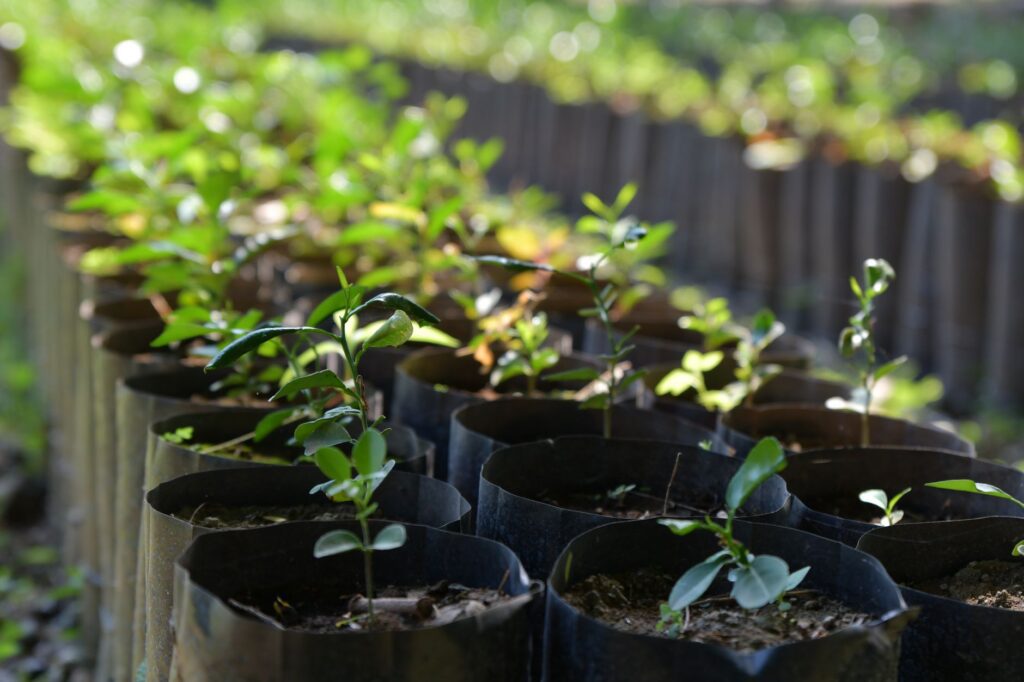
- Propagation: You can propagate Black Surinam Cherry seedlings from fresh seeds, which usually germinate within a few weeks, or by semi-hardwood cuttings taken during the warmer months.
Common Problems and Solutions
While the Black Surinam Cherry is generally robust, it can encounter a few issues. Here’s how to address them:
- Yellow Leaves (Chlorosis): If leaves turn yellow while veins remain green, it often indicates iron deficiency, particularly common in alkaline soils.
- Solution: Amend the soil to a slightly acidic pH if needed, and apply chelated iron supplements to correct the deficiency.
- Pests: Fruit flies can be a nuisance, damaging ripening fruits. Scale insects and aphids may also occasionally infest foliage.
- Solution: For fruit flies, consider fruit bagging or traps. For scale and aphids, horticultural oil or neem oil sprays can be effective. Manual removal with a strong spray of water can also work for light infestations.
- Fungal Diseases (Leaf Spot): Can occur in consistently humid conditions or areas with poor air circulation.
- Solution: Ensure good air circulation around the plant. Remove affected leaves and dispose of them. Fungicides can be used in severe cases, but proper cultural practices are often sufficient.
- Root Rot: A significant risk in poorly drained or waterlogged soils.
- Solution: Ensure excellent drainage in both garden beds and pots. Avoid overwatering. If root rot is suspected, repotting into fresh, well-draining soil and trimming affected roots might be necessary.
- Leaf Drop/Cold Damage: Exposure to temperatures below freezing can lead to leaf drop, branch dieback, or even plant death.
- Solution: Protect plants from frost using covers or by moving container plants indoors. For established plants, ensure they are in a sheltered location.
Benefits
Beyond its aesthetic appeal, the Black Surinam Cherry offers a multitude of benefits, making it a valuable addition to many Indian gardens and landscapes.
- Home Decoration & Balcony Gardening: Its glossy evergreen foliage and vibrant, ripening fruits make it a highly ornamental plant. Its ability to be cultivated in containers allows it to flourish in balcony gardens, patios, and smaller home spaces, adding tropical flair and fresh fruit.
- Landscaping: The dense growth habit of Eugenia uniflora makes it an excellent choice for creating an edible hedge, a privacy screen, or a striking specimen plant in larger gardens. It can also be used for erosion control on slopes due to its robust root system.
- Edible & Nutritional Fruit: The delicious, slightly tart to sweet fruit is a rich source of Vitamins A and C, offering a healthy and fresh snack directly from your garden. It can be eaten fresh, or used in jams, jellies, and desserts.
- Pollinator Friendly: The flowers attract various pollinators, and the ripe fruit is a favorite among birds and other local wildlife, contributing to biodiversity in your garden.
Frequently Asked Questions
How often should I water a Black Surinam Cherry?
The Black Surinam Cherry requires moderate to frequent watering. The best practice is to check the soil moisture regularly. Water thoroughly when the top 1-2 inches of soil feel dry to the touch, ensuring the soil remains consistently moist but never waterlogged. Good drainage is crucial.
Is the Black Surinam Cherry fruit edible?
Yes, the Black Surinam Cherry fruit is absolutely edible and quite delicious! It is valued for its unique flavor, which can range from tart to sweet depending on ripeness and variety, and is rich in Vitamins A and C. The fruit is typically eaten fresh or used in various culinary preparations like jams, jellies, and juices.
What kind of sunlight does Eugenia uniflora need?
Eugenia uniflora, or the Black Surinam Cherry, thrives in full sun to partial shade. For optimal growth and abundant fruiting, it needs at least 6 hours of direct sunlight per day. In areas with very intense afternoon sun, some partial shade during the hottest part of the day can be beneficial.
Final Thoughts
The Black Surinam Cherry is an exceptional plant that truly brings a slice of the tropics to your garden. Its ease of care, combined with its ornamental beauty and the bounty of delicious fruit, makes it a rewarding choice for gardeners across India. Whether you’re looking to create an edible hedge, add a striking specimen to your landscape, or simply enjoy fresh fruit from your balcony, this tropical fruit plant is sure to impress.
Embracing the joy of gardening with plants like the Black Surinam Cherry not only enhances your home but also connects you with nature’s rhythm. Plantrea is the online plant platform from Wynorg, helping plant lovers across India discover quality plants, practical growing advice, and trusted nursery sourcing. We are here to support you in every step of your gardening journey.
Interested in This Plant?
The Black Surinam Cherry is a truly wonderful plant, offering both aesthetic appeal and delicious fruit. If you’re considering adding this beautiful plant to your collection or have more specific questions about its care, our Plant Expert chat is here to help! You’ll find the chat icon conveniently located at the bottom-right corner of every page.
Our Plant Expert is like having an experienced gardener right by your side. You can use the chat to check whether the Black Surinam Cherry is currently available, or to get personalised plant recommendations that are perfect for your specific home or garden conditions. They can also answer any detailed questions you might have about Eugenia uniflora care and maintenance, from optimising its watering schedule to dealing with specific local challenges.
Should the Black Surinam Cherry not be available or if you’re exploring other options, our Plant Expert can also help you discover suitable alternatives that offer similar benefits or growing requirements. It’s a friendly and knowledgeable resource designed to make your plant journey smoother and more enjoyable!
Image by: Armando Avelar
https://www.pexels.com/@armando-avelar-2150951494