Pink Jasmine – Jasminum polyanthum – Intense Spring Fragrance | Wynorg Nursery
There’s something truly enchanting about a garden filled with the sweet, intoxicating scent of jasmine, and among the many beloved varieties, the Pink Jasmine, or Jasminum polyanthum, stands out as a true superstar. This vigorous climbing vine is a cherished sight in countless Indian homes and gardens, particularly during spring when its profusion of pink buds burst open into starry white flowers, releasing a fragrance that can permeate an entire neighbourhood. Its appeal lies not just in its stunning visual display but also in the sheer joy its perfume brings, making it a perennial favourite for creating fragrant archways, covering fences, or simply gracing a sunny balcony.
For those looking to add such a delightful plant to their collection or seek expert guidance on their green companions, Plantrea is the online plant platform by Wynorg, a trusted Indian brand known for delivering healthy live plants safely across India. We believe every gardener, from novice to seasoned, deserves access to quality plants and reliable information to help them thrive, and the Pink Jasmine is certainly a plant that thrives beautifully with the right care.
Botanical Overview
The Pink Jasmine, scientifically known as Jasminum polyanthum, belongs to the Oleaceae family, which is the olive family, a group renowned for many beautiful and fragrant plants. Hailing originally from the mountainous regions of China and Myanmar, this plant has found a second home in diverse climates worldwide, including the warm conditions of India. It is a vigorous evergreen climber, meaning it retains its lush foliage throughout the year, providing continuous greenery even when not in bloom.
Its growth habit is distinctly climbing, reaching impressive heights of 10 to 20 feet if given adequate support. The slender stems rapidly intertwine, producing a dense cascade of leaves and flowers. This fast-growing nature makes it an excellent choice for quickly covering structures and creating stunning vertical displays in a relatively short period, transforming ordinary spaces into fragrant havens.
Why People Love This Plant
The popularity of Pink Jasmine is undeniable, and it’s easy to see why once you experience its charm. It’s a plant that appeals to multiple senses, making it a truly immersive garden experience.
Appearance
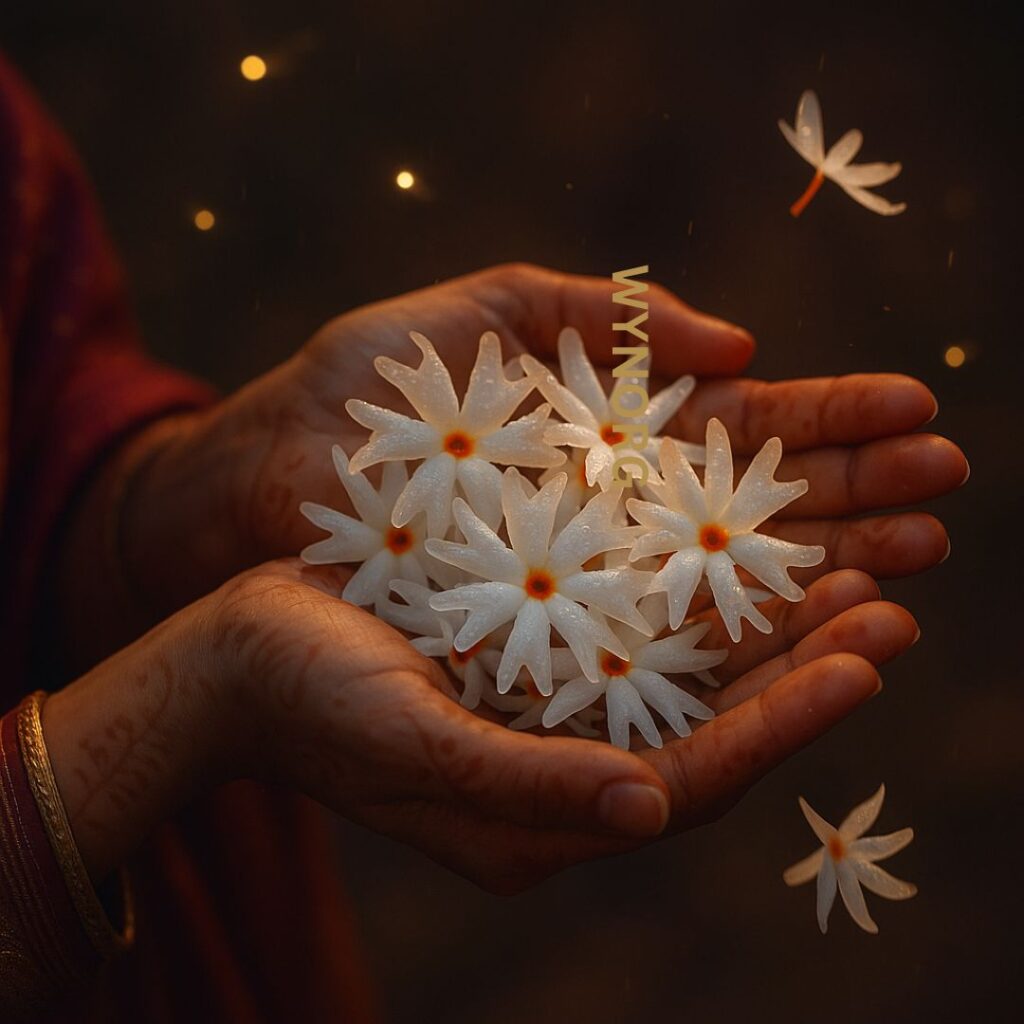
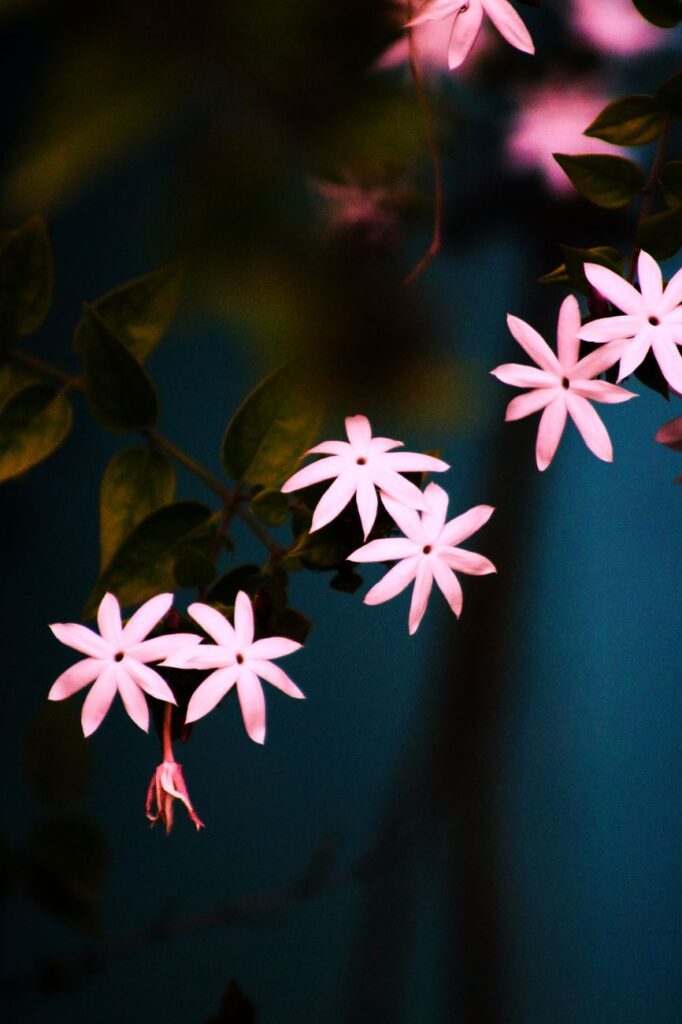
The visual appeal of Pink Jasmine begins with its distinctive pink buds. These delicate buds appear in clusters, creating a lovely contrast against the dark green foliage even before they open. As they mature, they unfurl into pristine white, star-shaped flowers. This transition from pink to white gives the plant a dynamic and captivating appearance, almost like a living confetti display.
Flowers
The highlight of the Pink Jasmine is undoubtedly its spectacular flowering season, which primarily occurs in spring. During this time, the vine becomes absolutely smothered in thousands of tiny, star-shaped white flowers. These blooms are densely packed, creating an overwhelming spectacle that can completely obscure the foliage beneath. It’s a truly breathtaking sight, transforming mundane structures into fragrant, floral waterfalls.
Foliage
Even when not in bloom, the Pink Jasmine offers attractive, dark green foliage. The leaves are compound, typically with 5 to 9 small, oval leaflets, giving the vine a delicate yet dense appearance. This evergreen nature ensures that the plant provides a lush backdrop year-round, adding a touch of verdant beauty to your garden even in the off-season.
Fragrance
Perhaps the most compelling reason for the Pink Jasmine’s widespread adoration is its extraordinarily potent fragrance. The white flowers release an intense, sweet, and heady perfume that is truly captivating. On a warm spring evening, the scent of *Jasminum polyanthum* can travel far and wide, filling an entire garden or courtyard with its delightful aroma. It’s a fragrance that evokes romance, tranquility, and the sheer joy of spring, making it one of the most fragrant jasmine varieties available.
Decorative Value
Due to its vigorous climbing habit and prolific flowering, Pink Jasmine has immense decorative value. It is ideal for creating stunning entrance arches, transforming a simple gateway into a welcoming, fragrant tunnel. Planting it near windows allows its beautiful scent to waft indoors. It’s also perfect for sensory gardens, providing both visual beauty and an unforgettable olfactory experience. Beyond arches, it can adorn pergolas, trellises, fences, and even cover unsightly walls, turning them into living, blooming features.
Growing Requirements
Growing Pink Jasmine successfully in India is relatively straightforward, thanks to its adaptable nature. However, providing the right conditions will ensure a more vigorous plant and a spectacular floral display.
Light
Pink Jasmine thrives in full sun. This means it needs at least 6 hours of direct sunlight per day to produce its best blooms. In the hot Indian summer, a spot that receives morning sun and some dappled shade in the harsh afternoon can be beneficial, especially in very hot, arid regions, to prevent leaf scorch. However, generally, the more sun it gets, the more flowers it will produce.
Water
This plant prefers moderate watering. During its active growing season, especially in spring and summer, it will need regular watering to keep the soil consistently moist but not waterlogged. Allow the top inch or two of soil to dry out between waterings. Reduce watering in winter when the plant’s growth slows down. Overwatering is a common mistake that can lead to root problems, so good drainage is key.
Temperature
Pink Jasmine is quite tolerant of a range of temperatures, making it well-suited for many parts of India. It prefers warm climates but can tolerate mild frosts once established. In regions with very cold winters, it might require some protection or can be grown in pots and moved indoors. However, in most tropical and subtropical Indian zones, it thrives outdoors year-round.
Humidity
While it appreciates moderate to high humidity, Pink Jasmine is not overly fussy about specific humidity levels. It generally adapts well to the natural humidity levels found in most Indian climates, especially during the monsoon season. In very dry periods, an occasional misting can be beneficial, but it’s rarely a critical requirement.
Soil
Good drainage is paramount for Pink Jasmine. It prefers well-draining soil that is rich in organic matter. A loamy soil mix works best. If your garden soil is heavy clay, amend it with compost, sand, and perlite to improve drainage and aeration. For potted plants, a standard high-quality potting mix designed for flowering plants will work wonderfully.
Potting Mix
When growing Pink Jasmine in a pot, use a robust potting mix that provides excellent drainage. A blend of garden soil, coco peat, and perlite or coarse sand in equal parts, along with some well-rotted compost, creates an ideal environment. Ensure the pot has ample drainage holes to prevent waterlogging.
Fertilizer
Feed your Pink Jasmine with a balanced liquid fertilizer every 2-4 weeks during its active growing and flowering season (spring and summer). A fertilizer with a slightly higher phosphorus content can encourage more blooms. Reduce feeding in autumn and stop completely in winter. Over-fertilizing can lead to lush foliage at the expense of flowers, so always follow package instructions.
How to Care for This Plant
Caring for Pink Jasmine is an enjoyable experience, yielding beautiful results with consistent attention.
1. Providing Strong Support
As a vigorous climber, Pink Jasmine needs a strong support structure from the very beginning. A sturdy trellis, an archway, a pergola, or a fence are ideal. Guide the young stems onto the support gently, tying them loosely with soft ties if necessary, to encourage them to climb in the desired direction. Without proper support, it can become a sprawling mess rather than an elegant feature.
2. Watering Routine
Water regularly, especially during dry spells and the growing season. Check the soil moisture frequently by poking your finger about an inch or two into the soil. If it feels dry, it’s time to water. Reduce watering significantly during the cooler, dormant months. Potted plants will dry out faster than those in the ground and may require more frequent checks.
3. Pruning for Health and Blooms
Pruning is essential for Pink Jasmine, not just for shaping but also for promoting abundant flowering and preventing it from becoming invasive. The best time to prune is immediately after its main flowering season in spring. This allows the plant to put energy into developing new growth that will bear flowers next year. Remove any dead, damaged, or tangled branches. You can also thin out overcrowded areas to improve air circulation and cut back aggressively to maintain its size and shape. Don’t be afraid to prune hard; Pink Jasmine is quite resilient.
4. Pest and Disease Inspection
Regularly inspect your Pink Jasmine for signs of pests or diseases. Early detection is key to preventing major infestations. Pay attention to the undersides of leaves and new growth, where pests often hide.
5. Propagation
Pink Jasmine can be easily propagated from stem cuttings. Take 4-6 inch long semi-hardwood cuttings in late spring or early summer, remove the lower leaves, dip the cut end in rooting hormone, and plant in a well-draining potting mix. Keep the soil moist and provide warmth and indirect light. New roots usually form within a few weeks.
6. Seasonal Care in India
- Spring: This is the prime flowering season. Ensure regular watering and fertilizing.
- Summer: Continue with regular watering. In very hot regions, providing some afternoon shade can be beneficial. Monitor for pests.
- Monsoon: Ensure good drainage to prevent waterlogging and root rot. Reduce supplemental watering if rainfall is heavy.
- Winter: Reduce watering as growth slows down. In regions with mild winters, it will remain evergreen. In areas with slight frost, protect young plants.
Common Problems and Solutions
While Pink Jasmine is relatively easy to care for, like all plants, it can encounter a few common issues.
- Yellow Leaves: This is often a sign of either overwatering or underwatering, or a nutrient deficiency. Check soil moisture – if soggy, reduce watering; if dry, water more. If the problem persists, consider a balanced fertilizer.
- Aphids: These tiny, soft-bodied insects cluster on new growth and suck sap, leading to distorted leaves and inhibited growth. Combat them with a strong spray of water, neem oil solution, or insecticidal soap.
- Can Become Invasive: The vigorous growth of Pink Jasmine is a blessing and a curse. If not managed, it can quickly take over. Regular, hard pruning immediately after flowering is the best solution to control its spread and maintain its desired shape.
- Requires Strong Trellis: Not a problem with the plant itself, but a lack of adequate support can lead to a messy, sprawling growth habit. Ensure you provide a robust trellis, arbor, or fence that can handle its weight and growth.
- Root Rot: Caused by consistently waterlogged soil, this fungal disease can kill the plant. Symptoms include wilting, yellowing leaves, and a foul smell from the soil. Ensure excellent drainage and avoid overwatering. For potted plants, re-potting into fresh, well-draining mix might save it if caught early.
- Poor Flowering: If your Pink Jasmine isn’t blooming as expected, consider several factors:
- Lack of Sunlight: Insufficient sunlight is a primary reason for poor blooms.
- Improper Pruning: Pruning at the wrong time (e.g., late winter/early spring) can remove the flower buds, as it blooms on old wood. Prune only after flowering.
- Immaturity: As mentioned in our FAQs, it usually takes about two years for the plant to establish itself and start blooming prolifically.
- Nutrient Imbalance: Too much nitrogen can lead to leafy growth with few flowers. Use a balanced fertilizer.
- Slow Growth: This could be due to insufficient sunlight, poor soil, lack of nutrients, or inadequate watering. Assess its growing conditions and make adjustments as needed.
- Leaf Drop: Sudden leaf drop can indicate stress, often from drastic changes in watering, temperature, or transplant shock. Ensure consistent care and stable conditions.
Benefits
Beyond its stunning aesthetics and captivating fragrance, Pink Jasmine offers several benefits that make it a truly worthwhile addition to any garden.
Home Decoration
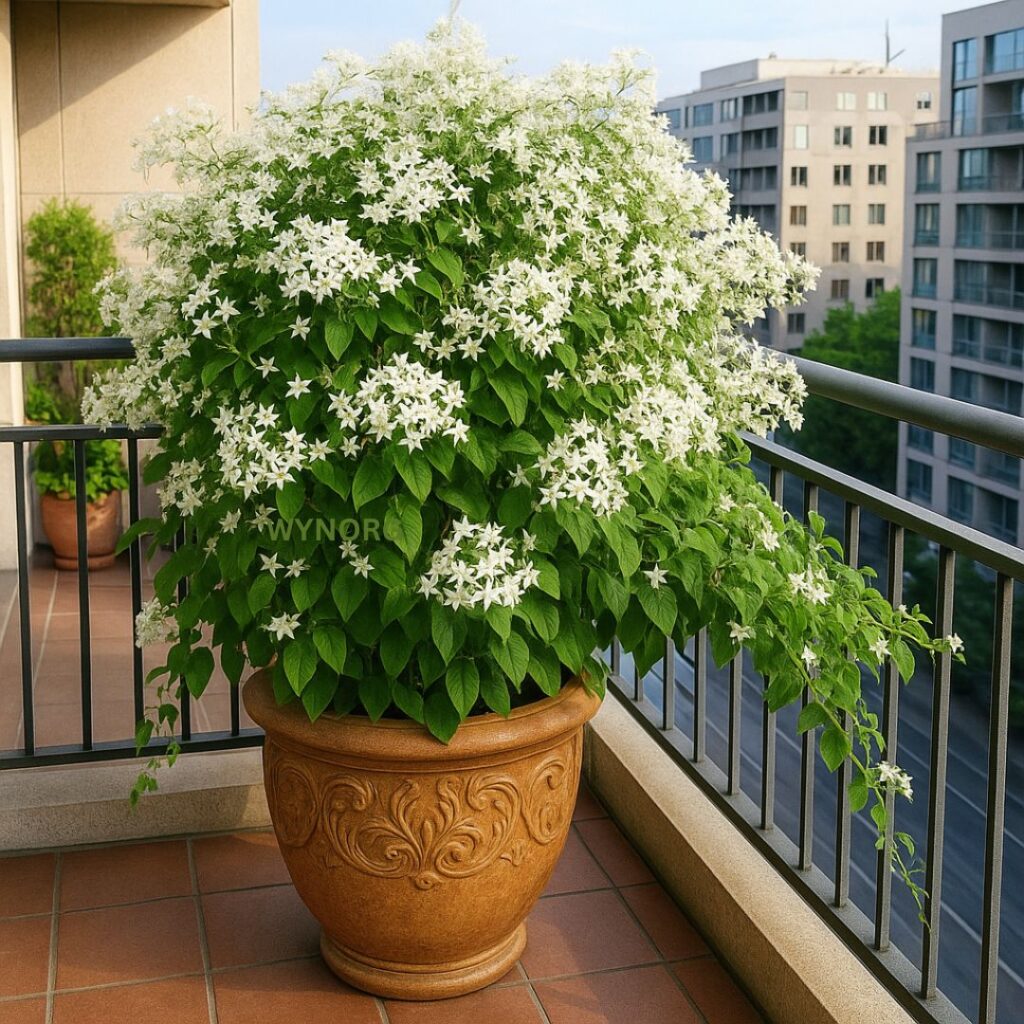
The ability of Pink Jasmine to adorn structures makes it a fantastic element for home decoration. Imagine a fragrant archway at your garden entrance, a lush green screen offering privacy, or a cascade of white flowers gracing a balcony railing. Its beauty and fragrance significantly enhance the ambiance of any outdoor space, making it a truly inviting and delightful area.
Balcony Gardening
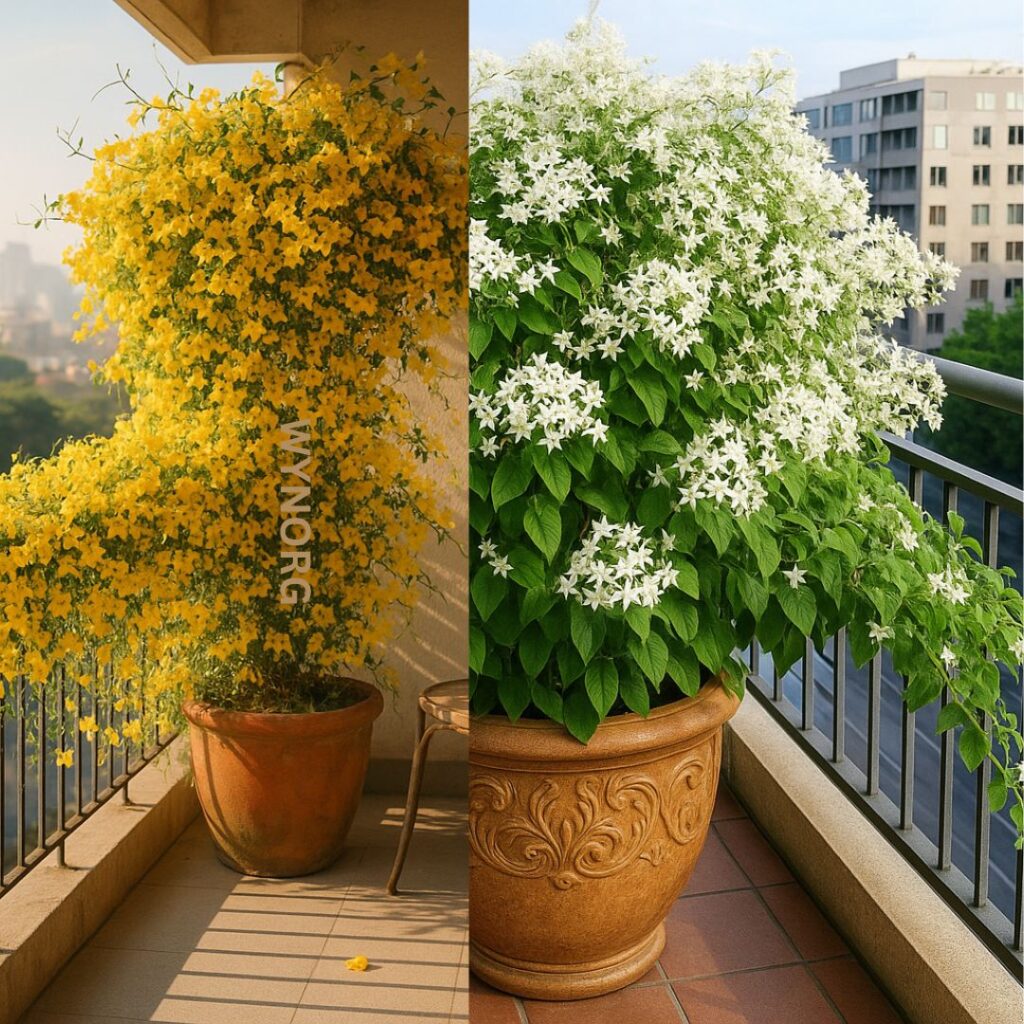
Even if you don’t have a sprawling garden, Pink Jasmine can thrive beautifully in a large pot on a balcony. With proper support and regular care, it can transform a small balcony into a fragrant retreat, climbing up a compact trellis or against a wall. This makes the joy of its fragrance accessible even to urban dwellers with limited space.
Landscaping
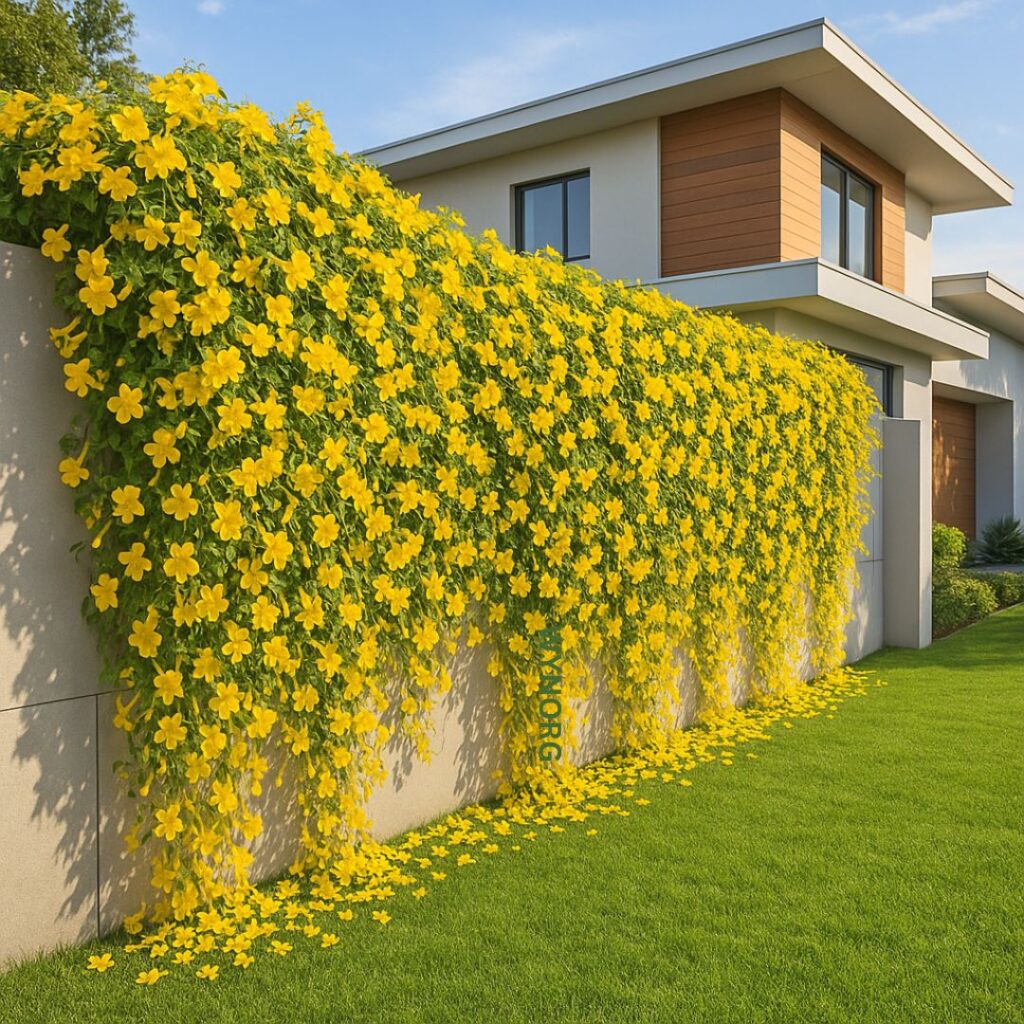
For larger landscapes, *Jasminum polyanthum* is an excellent choice for covering pergolas, arbors, fences, and garden walls. Its fast growth and dense foliage provide quick coverage and a spectacular floral display, adding a touch of romance and elegance to any landscape design. It can create green tunnels, living walls, or simply soften hard architectural lines.
Pollinator Friendly
The abundant, fragrant flowers of Pink Jasmine are a magnet for various pollinators, including bees and butterflies. By planting this climber, you’re not only enhancing your garden’s beauty but also contributing to the local ecosystem, supporting beneficial insects that play a crucial role in maintaining biodiversity.
Frequently Asked Questions
Which jasmine is most fragrant?
While fragrance is subjective and many jasmine varieties are known for their delightful scent, Pink Jasmine (*Jasminum polyanthum*) is certainly among the strongest and most intensely fragrant. Its sweet, heady perfume can easily fill an entire garden, making it a top contender for the title of “most fragrant jasmine.”
Does it bloom first year?
Generally, Pink Jasmine takes some time to establish itself before it starts blooming profusely. It usually takes about two years for the plant to mature enough to produce a significant flush of flowers. During the first year, focus on establishing a strong root system and guiding its growth, and you’ll be rewarded with abundant blooms in subsequent springs.
Can I grow in a pot?
Yes, you can absolutely grow Pink Jasmine in a pot, making it suitable for balconies, patios, and smaller spaces. However, it requires a large pot (at least 18-24 inches in diameter) to accommodate its vigorous root system and provide enough space for growth. Ensure the pot has excellent drainage holes and provide a sturdy trellis or support for the vine to climb.
Final Thoughts
The Pink Jasmine, or Jasminum polyanthum, is more than just a plant; it’s an experience. Its breathtaking beauty, overwhelming fragrance, and relatively easy care make it a must-have for any Indian gardener looking to add a touch of romance and sensory delight to their outdoor spaces. With a little sunshine, consistent watering, and timely pruning, this spring flowering climber will reward you with an unforgettable display year after year.
Whether you’re looking to create a fragrant archway, enhance your balcony, or simply enjoy one of the most fragrant jasmine varieties, the Pink Jasmine is an excellent choice that brings immense joy. Plantrea is the online plant platform from Wynorg, helping plant lovers across India discover quality plants, practical growing advice, and trusted nursery sourcing. We are dedicated to helping you cultivate your green dreams into a thriving reality.
Interested in This Plant?
If the enchanting beauty and intense fragrance of Pink Jasmine have captured your imagination, you might have a few more questions. Perhaps you’re wondering about its current availability, or if this *Jasminum polyanthum* is the perfect fit for your specific garden conditions.
Our Plant Expert chat, located at the bottom-right corner of every page, is here to help! Think of it as your personal gardening assistant, ready to provide tailored advice. You can use it to check whether the Pink Jasmine is currently available for purchase, ensuring you don’t miss out on this incredible climber.
Beyond availability, our Plant Expert can offer personalised plant recommendations based on your space, light conditions, and gardening preferences. You can also ask any specific questions you have about Pink Jasmine care and maintenance, or even discover suitable alternatives if this particular plant isn’t quite right or is unavailable at the moment. We’re here to make your gardening journey as successful and enjoyable as possible!
Image by: Sakina Fayyaz
https://www.pexels.com/@sakina-fayyaz-249812596